






Support for SLPs
 Articles
8-minute read
Articles
8-minute read
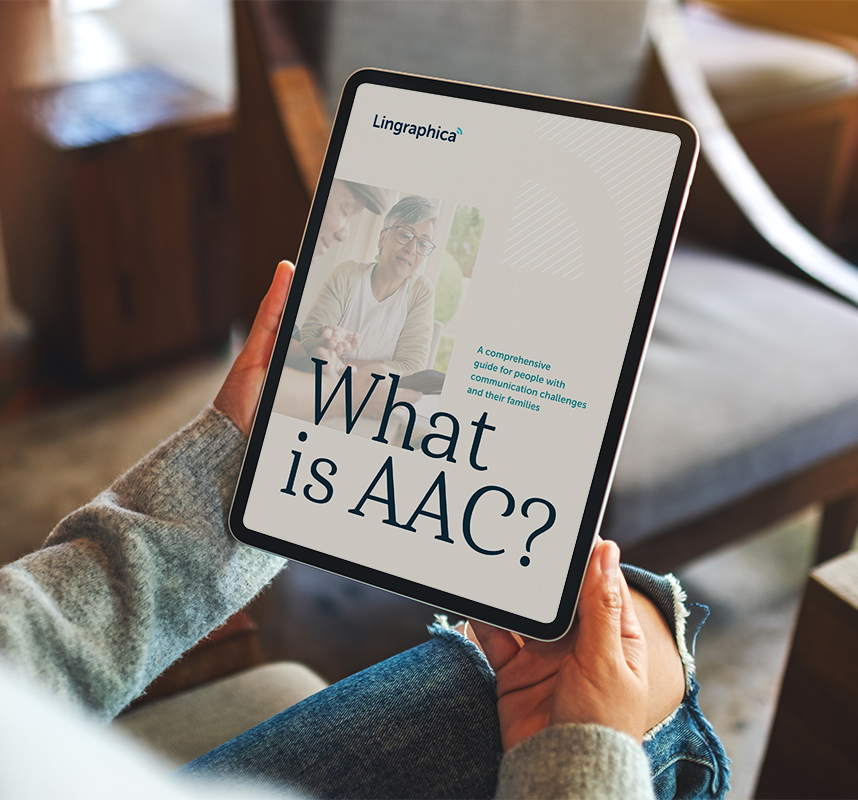
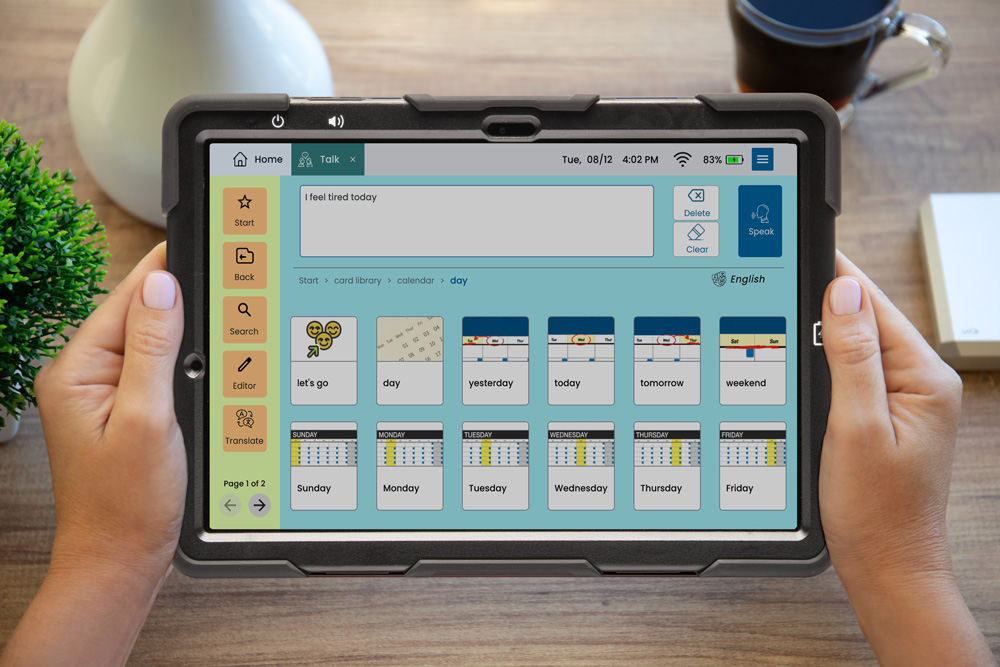
How to choose the right AAC device for your communication needs
Learn how to choose the right AAC device based on communication goals, access needs, daily environments, and support. Find your communication team today. Read more Articles
Care partner support, built into every trial
At Lingraphica, we recognize the crucial role care partners play in AAC success. That’s why we put so much effort into ensuring that support extends beyond the device itself. Read more Articles
5 min read
Articles
5 min read
Your guide to using AAC in therapy
Using an AAC device and working on traditional therapy can be simultaneous goals. In fact, an AAC device can be part of a therapy program. Read more Webinars
Register for Our Next Webinar
Join our next free online live webinar! Learn more Articles
5 min read
Articles
5 min read
AAC by Setting
Although each setting can have its own challenges, incorporating AAC at any stage in the continuum of care comes with benefits. Learn more. Read more Articles
5 min read
Articles
5 min read
AAC Trial Success Criteria
The key thing to keep in mind about AAC device success the potential and aptitude for increased communication; not mastery or perfection. Read more Articles
5 min read
Articles
5 min read
Involving Communication Partners in AAC
Involving a family member or other communication partner in AAC device training is one of the biggest factors that increases success. Read more Articles
5 min read
Articles
5 min read
AAC Device Home Practice
Sending home specific AAC assignments motivates your patient and their family to use it regularly. Here are some ideas to get them engaged. Read more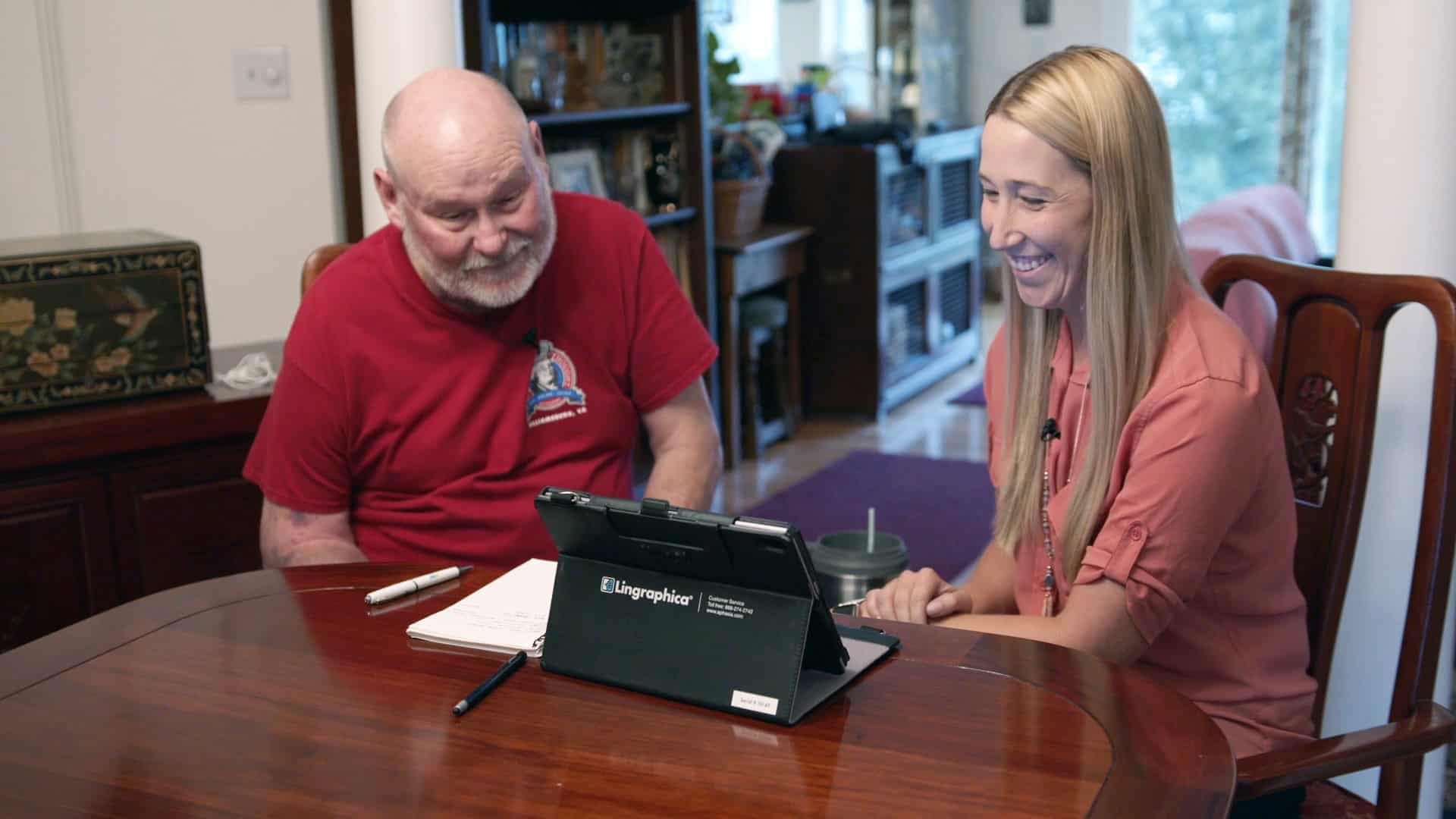 Articles
5 min read
Articles
5 min read
How To Introduce an AAC Device
Here are five ideas for introducing an AAC device to your patient and their loved one at the next session. Read more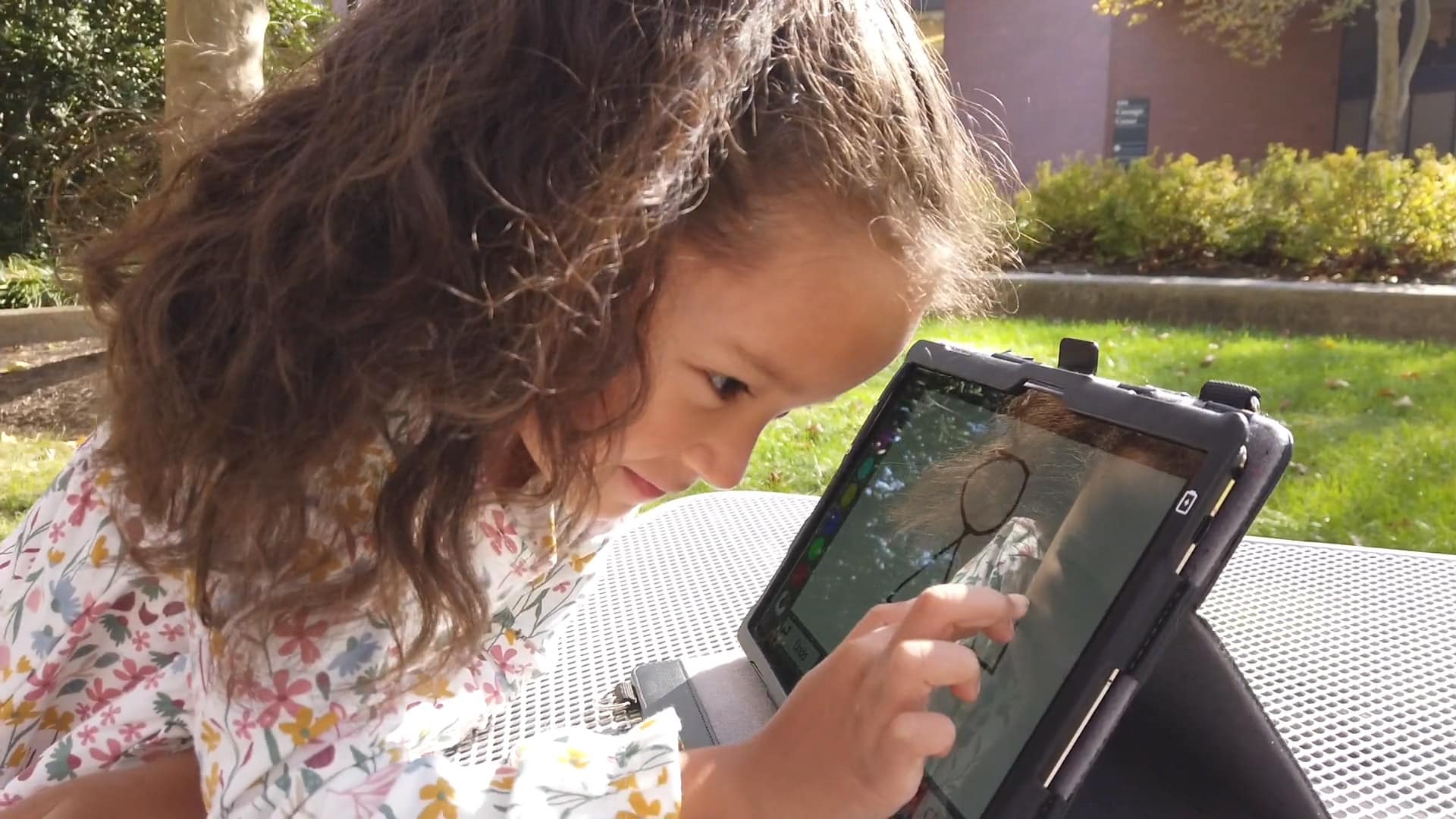 Articles
5 min read
Articles
5 min read
Where to Begin With AAC Device Customization
Personalizing the AAC device to be more meaningful and relevant to the user is one of the most important things you can do in a device trial. Read more Articles
5 min read
Articles
5 min read
How to Set AAC Goals
The goals that you and your client decide on will be unique. Here are some steps to take when deciding what AAC goals to establish Read more Articles
5 min read
Articles
5 min read
Debunking AAC Myths
Deciding who is a good candidate for AAC can feel difficult because of several pervasive myths. Here's the truth about AAC device candidates. Read more Articles
5 min read
Articles
5 min read
Transitioning to Speech Teletherapy
Speech teletherapy offers both SLPs and patients greater flexibility, accessibility, and and efficiency without compromising quality of care. Read more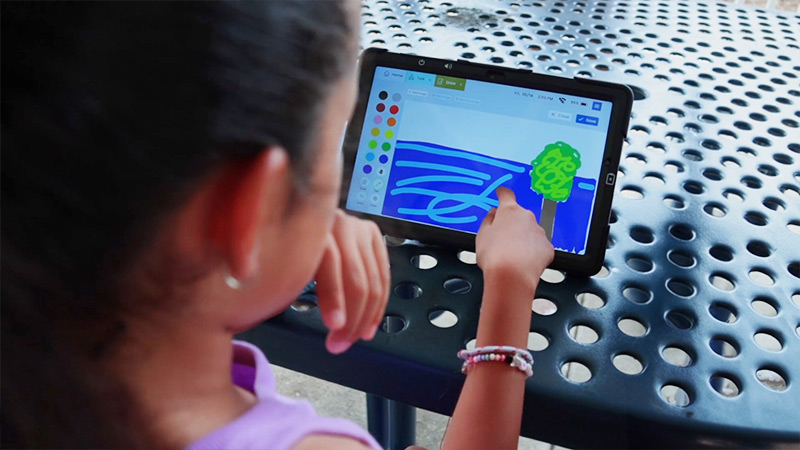 Articles
5 min read
Articles
5 min read
Using AAC, Photos, and Drawings to Communicate Successfully
By incorporating text and personally-relevant photos, patients with aphasia can successfully use an AAC device to support storytelling. Read more Articles
5 min read
Articles
5 min read
The Role of AAC In Aphasia Rehabilitation
Aphasia rehabilitation should focus on combining traditional interventions with AAC while also working to enhancing language abilities for the future. Read more Articles
5 min read
Articles
5 min read
Making AAC Successful Following a Stroke
High-Technology Augmentative and Alternative Communication (AAC) in Poststroke Aphasia: A Review of the Factors That Contribute to Successful AAC Use. Read more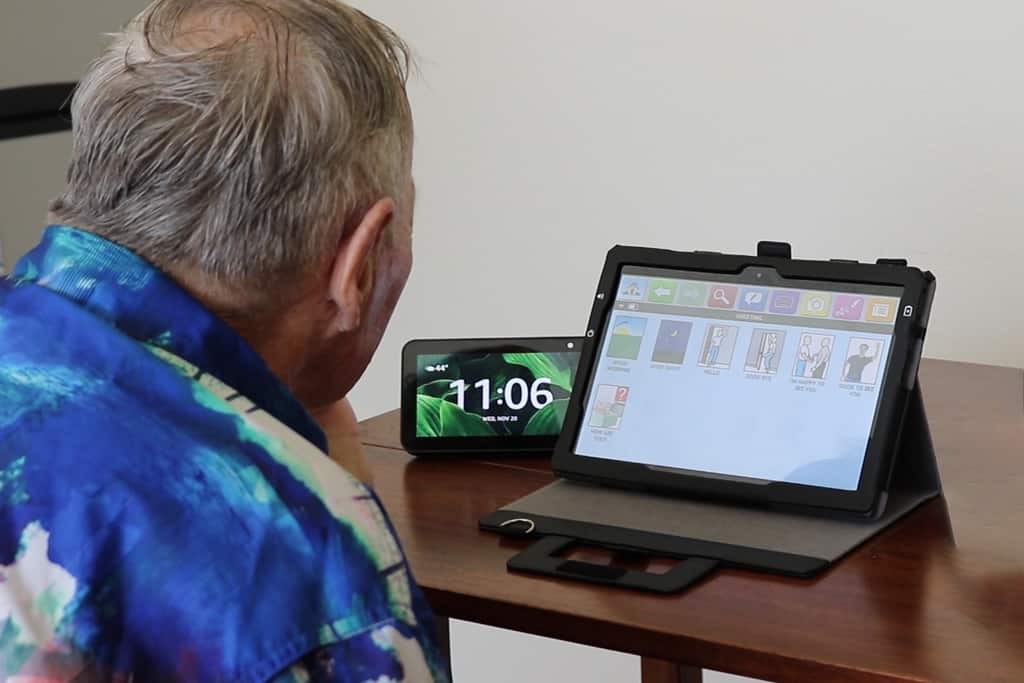 Articles
5 min read
Articles
5 min read
Integrating AAC and Smart Home Devices
Smart home assistants are common parts of many homes. This presents an opportunity for AAC users to use these systems by adding commands to their device. Read more Articles
5 min read
Articles
5 min read
Treating Primary Progressive Aphasia with AAC
Because it does not fit precisely within the framework of other types of aphasia, guidance is often needed about when and how to introduce AAC. Read More… Read more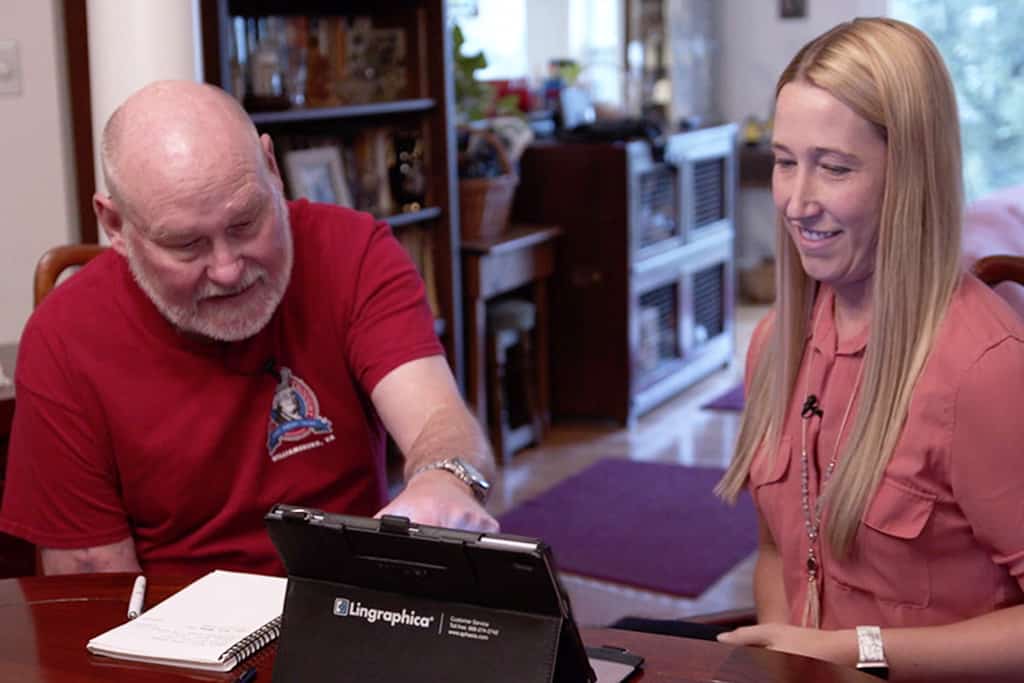 Articles
5 min read
Articles
5 min read
Using Client Goals to Provide More Effective Treatment
SLPs and clients report difficulty with client involvement in goal setting. Click to read more about incorporating client goals in AAC treatment. Read more Articles
5 min read
Articles
5 min read
Six Tips for Providing Speech Teletherapy
As the we to the COVID-19 crisis, speech teletherapy is becoming the preferred delivery model for many SLPs. Lingraphica has six tips to get you started. Read more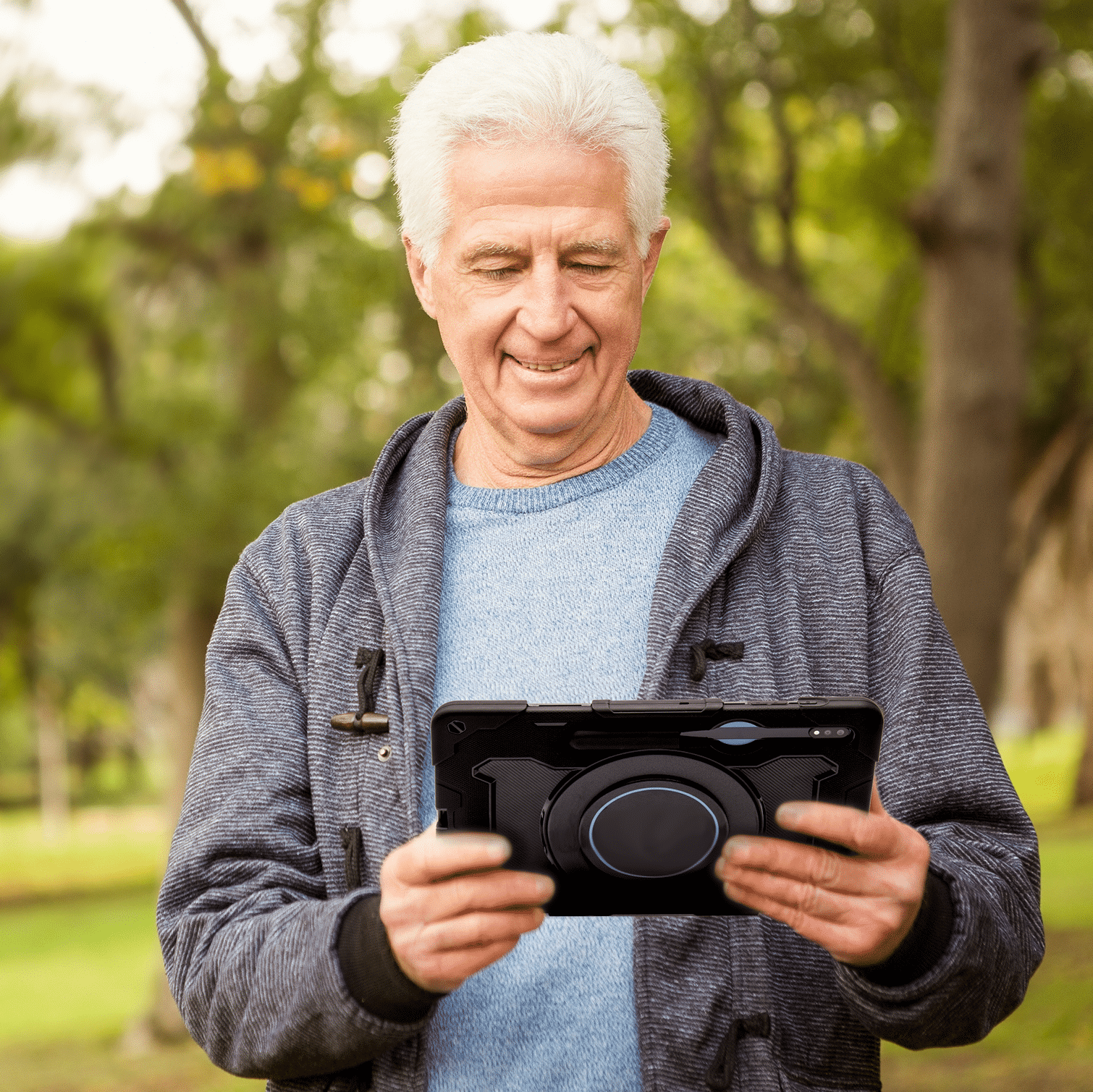 Articles
5 min read
Articles
5 min read
What is Video Assisted Speech Technology (VAST™)?
VAST uses multi-modal stimulation; audio, articulation video-visual and written cues to facilitate imitation of model production. Read more Articles
5 min read
Articles
5 min read
10 Principles of Aphasia and Neuroplasticity
The 10 principles of neuroplasticity are evidence-based ways to leverage neuroplasticity into treatment techniques for people with aphasia. Read more Articles
5 min read
Articles
5 min read
Aphasia Treatment and Care Partners
Many SLPs can recall an aphasia patient who was particularly successful in therapy. These patients tend to always have an involved care partner. Read more
Articles
5 min read
4 Benefits of Incorporating Whiteboards in Therapy
Whiteboard apps are now commonly found on computers and tablets of all kinds and are an invaluable tool when working with people with aphasia. Read more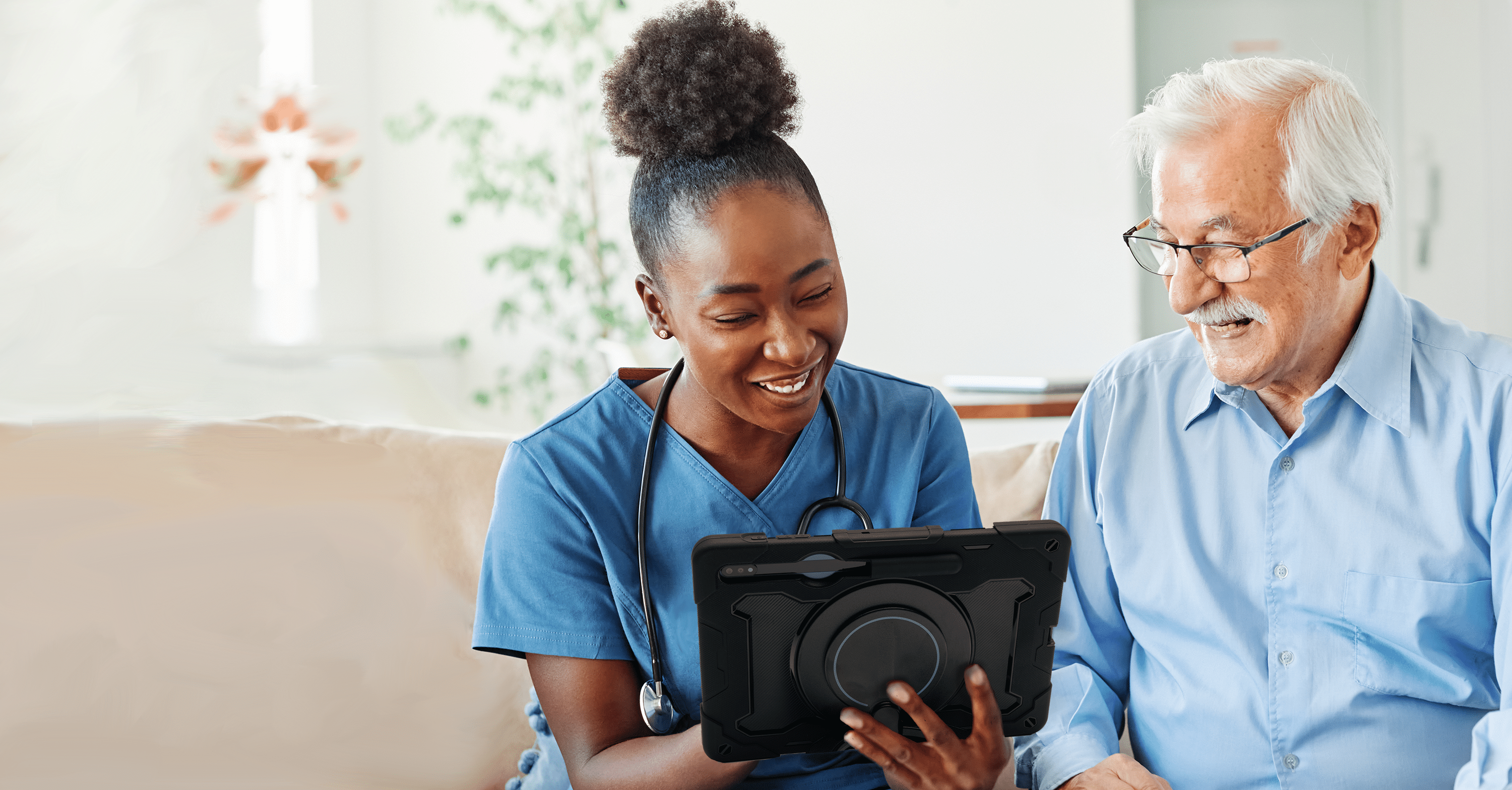 Articles
5 min read
Articles
5 min read
3 Therapy Techniques for Targeting Apraxia
Try one of these three evidence-based therapy techniques and associated tips for targeting individuals with apraxia of speech. Read more Articles
5 min read
Articles
5 min read
AAC Device Readiness
It can be hard to know the right time to introduce an AAC device to your patient is. Here are critical things to remember when recommending an AAC device to a patient. Read more Articles
5 min read
Articles
5 min read
Life Participation Approach to Aphasia
LPAA, or the Life Participation Approach to Aphasia, is not strictly a therapeutic technique. It is a service-delivery model and mindset. Read more Articles
5 min read
Articles
5 min read
Aphasia Assessment Tools
Here are several aphasia assessment tools available to SLPs. Learn more about each and download several for free to use during clinical sessions. Read more Articles
5 min read
Articles
5 min read
AAC Device Goal Setting
To meet the goal of competence while using an AAC device, there are four areas to address: operational, linguistic, social, and strategic competencies. Read more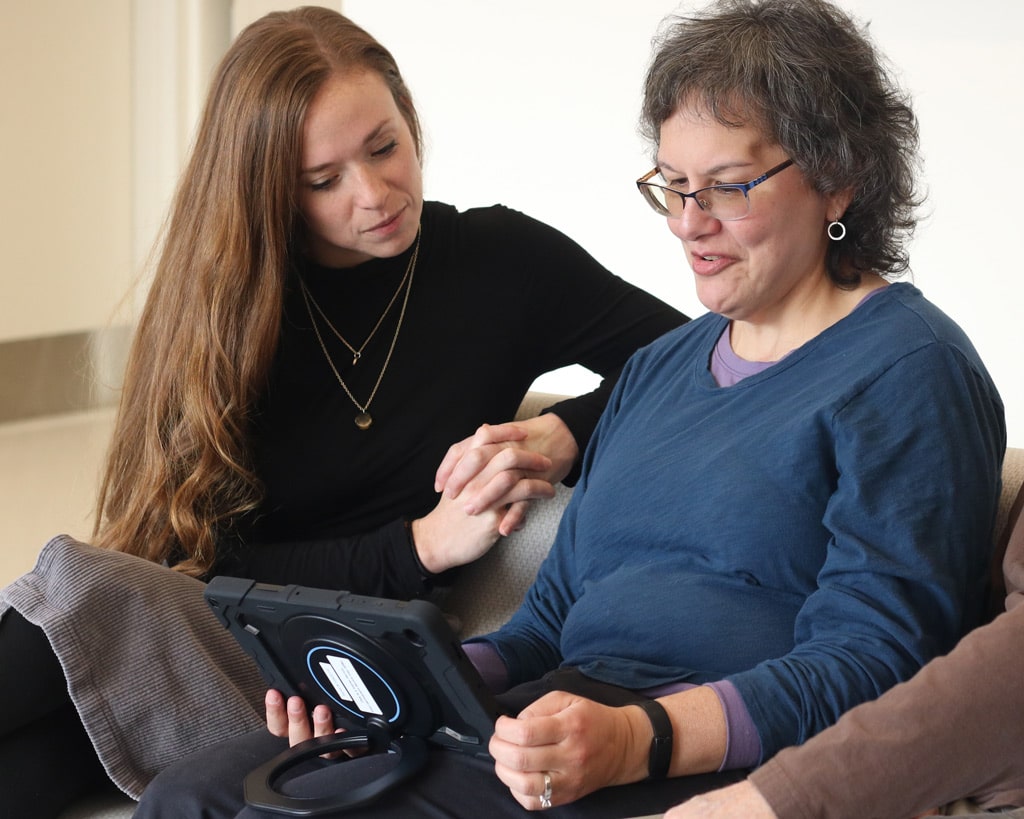 Articles
5 min read
Articles
5 min read
3 Things to Consider When Choosing AAC Devices
AAC devices supplement speech and help individuals build phrases to functionally communicate. Here is what to consider when choosing a device for a patient. Read more
Articles
5 min read
5 Strategies for Incorporating AAC Into Your Practice
Here are some tried-and-true strategies from seasoned SLPs who use high-tech AAC in their practices on a regular basis to treat adults with aphasia. Read more Articles
5 min read
Articles
5 min read
Using AAC to Talk About Interests
By organizing the AAC device’s language system to reflect the client’s top interests, it allows the client more opportunities to connect with others. Read more Articles
5 min read
Articles
5 min read
