




Using AAC to talk about hobbies and interests: tips for SLPs
Published on Aug 14, 2019

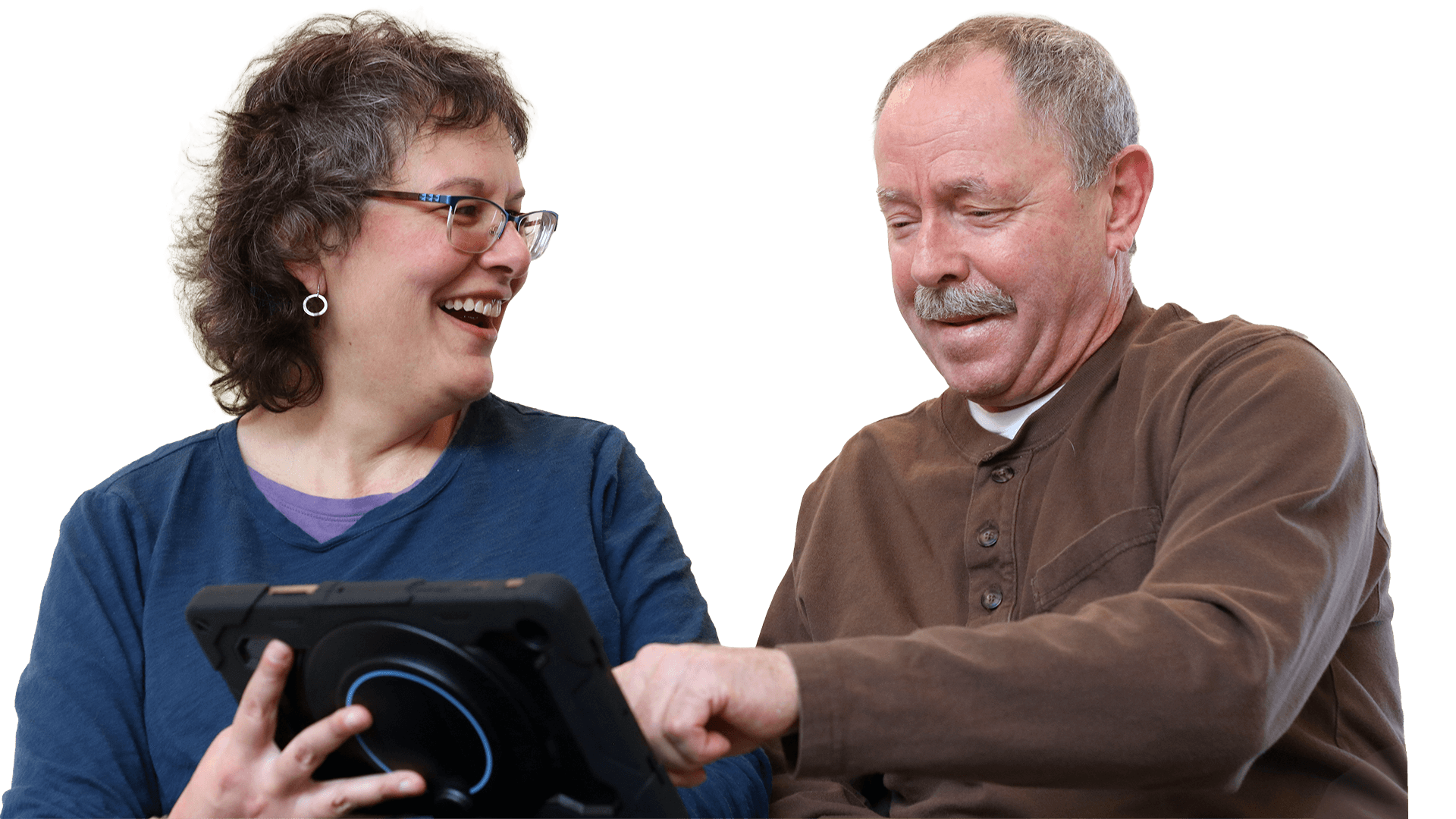
Communication isn’t just about sharing wants and needs — for most people, it’s about connection. Organizing an AAC device around a client’s personal interests can open the door to more natural, meaningful conversations. This article shares practical strategies for setting up an AAC device so that it can support the conversations that matter most to your clients.
As adults, we spend the majority of our time talking about our interests and events. This communication forms the foundation of many of our relationships. Capturing this information, organizing it on an AAC device, and implementing its use can be difficult. But with the right approach, it’s possible! And by organizing the AAC device’s language system to reflect your client’s top interests, you create more opportunities for them to connect with others.
Keep reading to find organizational strategies SLPs can try with their clients who use AAC.
Sort by categories
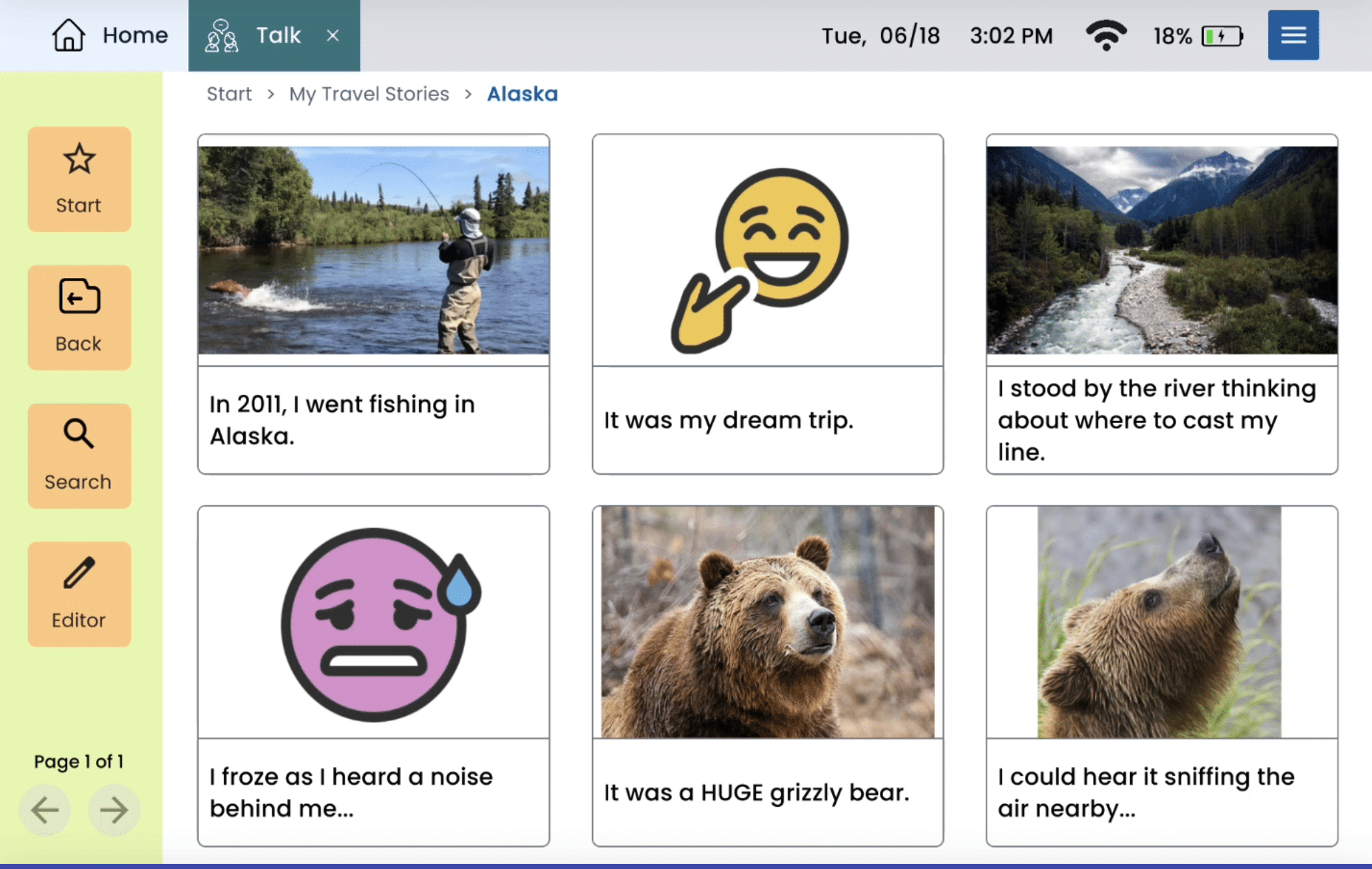
Begin by creating a folder for the area of interest — whether that’s gardening, poker, or a favorite TV show. This folder can include pictures, phrases, and questions to reflect the interest and enable the user to connect with others around a shared topic. Setting up a page dedicated to your client’s specific interest is easy with a Lingraphica device. It’s truly just a few taps away.
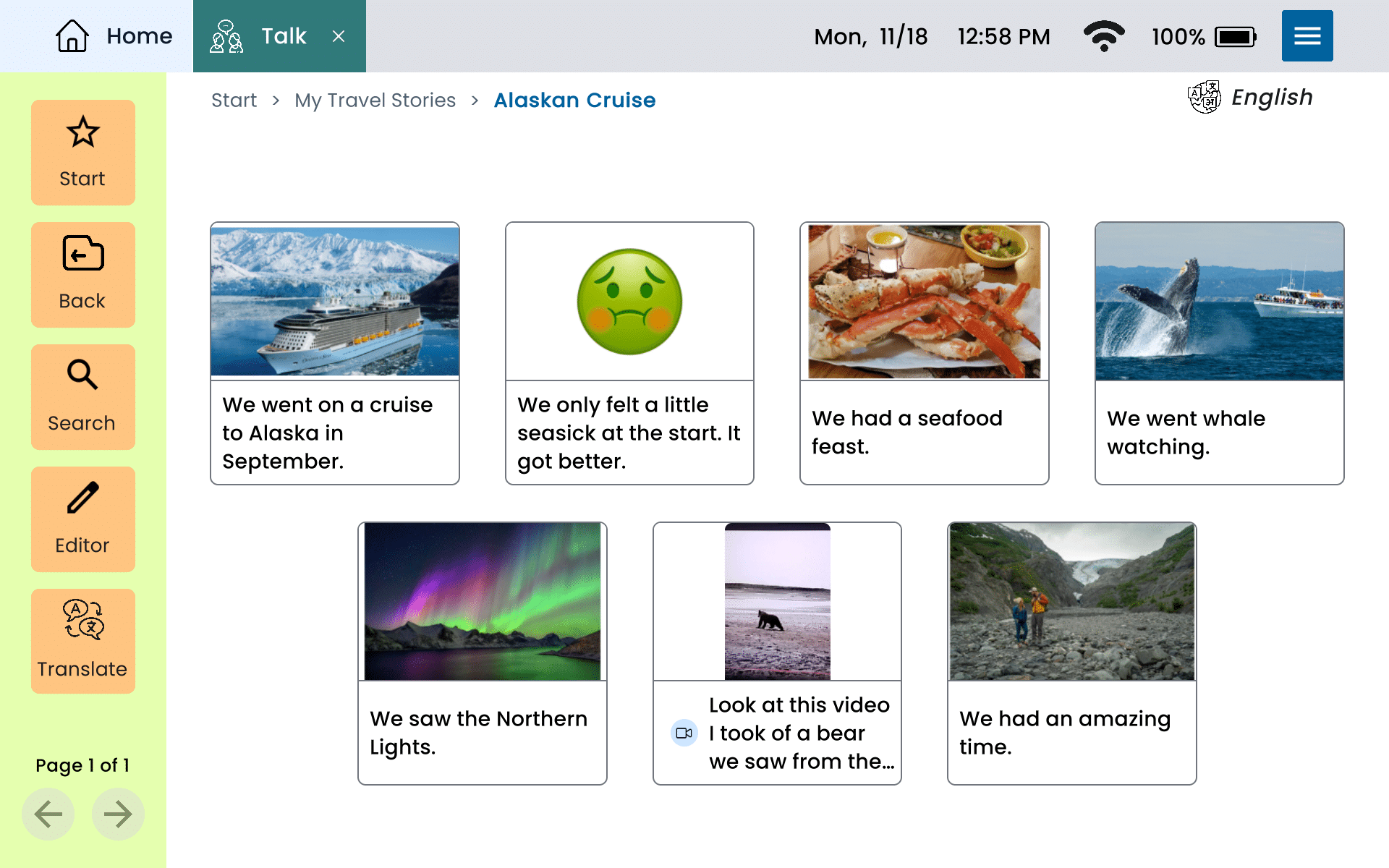
Take photos
Use your client’s personal photos and videos to create messages that represent the people, events, and places they love. Each photo or video can be paired with words, phrases, and sentences that allow the AAC user to share their interests in detail. By adding this personally relevant information to their AAC device, you’re setting up the user to communicate what’s important to them.
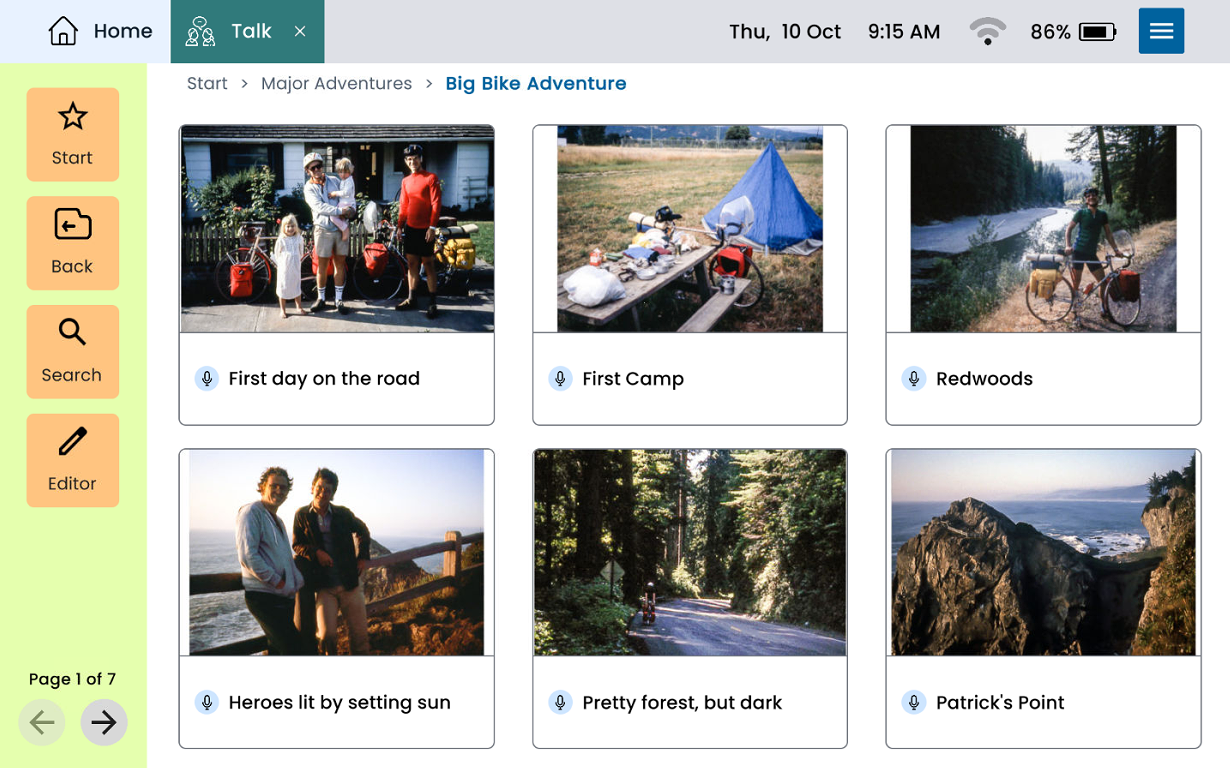
Use phrases and questions
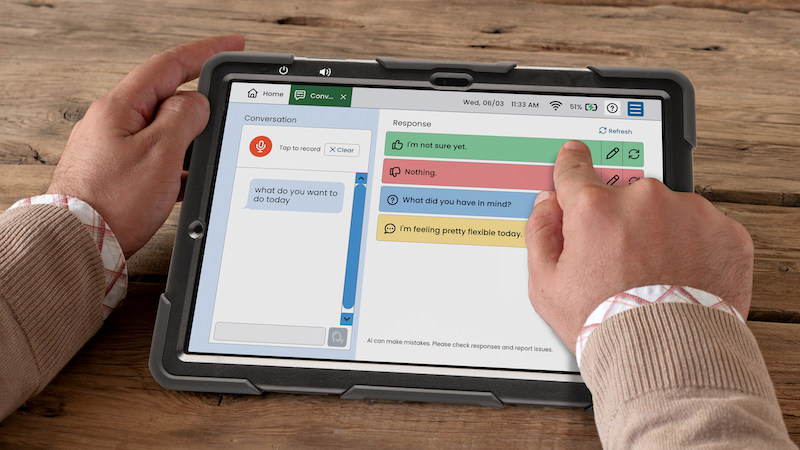
When creating the client’s page, consider all the phrases that might fit under this interest. For example, a page about cycling might include “I enjoy riding my bike” and “I like to ride in the morning.” This organization helps maintain a natural order of conversation for the device user. Using a script also reduces the cognitive demand on the AAC user — it makes conversations more predictable and reduces errors.
Having a selection of questions also allows the AAC user to invite their communication partner into the conversation. After all, turn-taking and connection go both ways. Some examples might include:
- “I enjoy riding my bike.”
- “Last week we rode to Starbucks, ordered a coffee, and rode home.”
- “Do you like to ride a bike?”
This script could lead to another conversation about the types of drinks your client likes to order. Scripts can be more structured or flexible, depending on your client’s skills and abilities.
Take a look at this holiday script, for example.
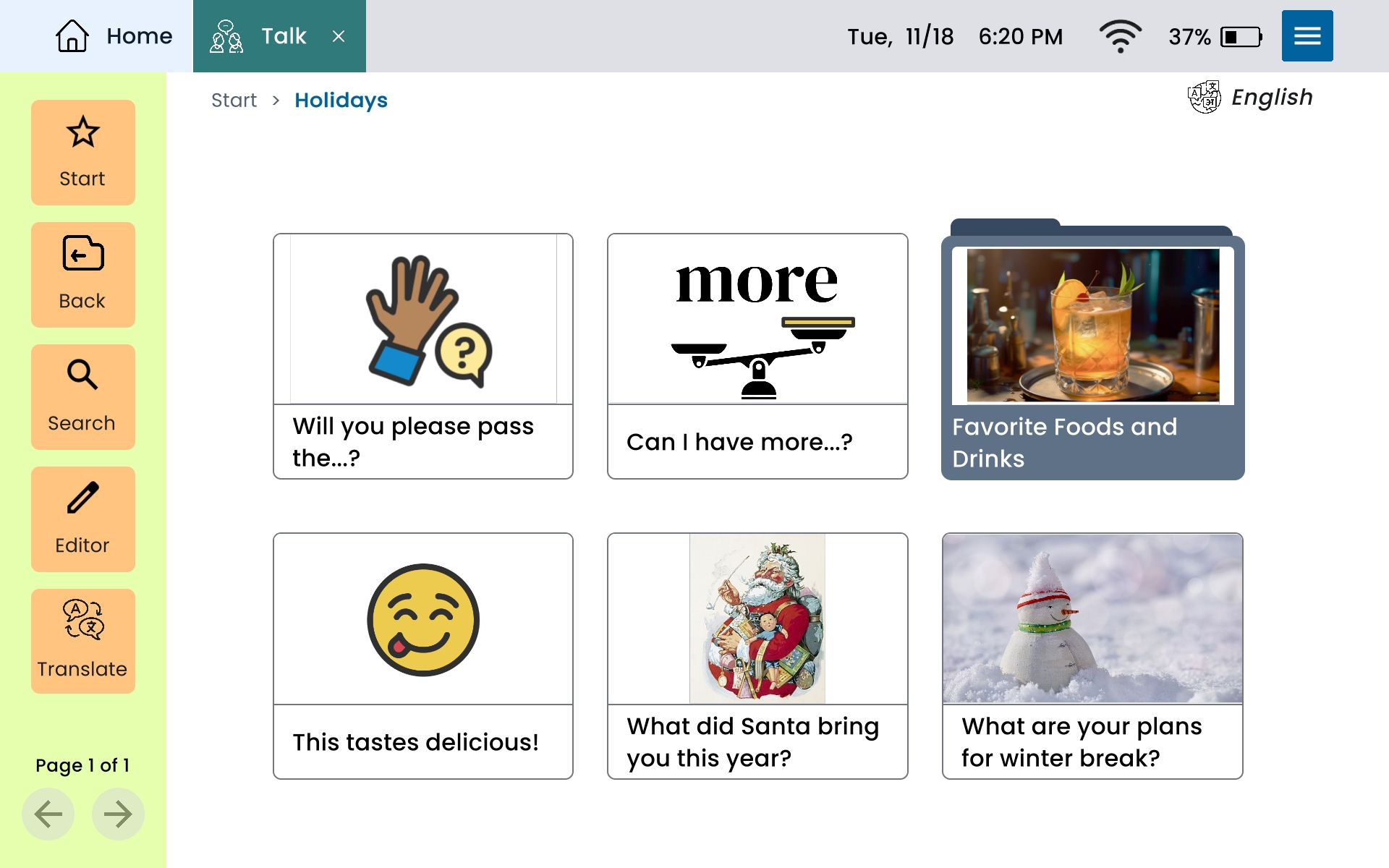
Speaking about things that are important to us brings us closer to others and allows us to connect in a more personal way.
Keep the conversation going with Join In AAC
Once your client’s device is set up with their interests, Join In AAC is a great place for them to put those conversations into practice. It’s a free, online community led by speech-language pathologists and other trained experts. Lingraphica device users can connect with others, practice communicating in a supportive setting, and build confidence using their device in real-life conversations.
About Contributor
 Lingraphica Team
AAC Experts
Lingraphica Team
AAC Experts
Lingraphica helps people with speech and language impairments improve their communication, speech, and quality of life. Try a Lingraphica AAC device for free.
Contributors
Lingraphica Team
AAC Experts
Categories
Subscribe to newsletter
Share