


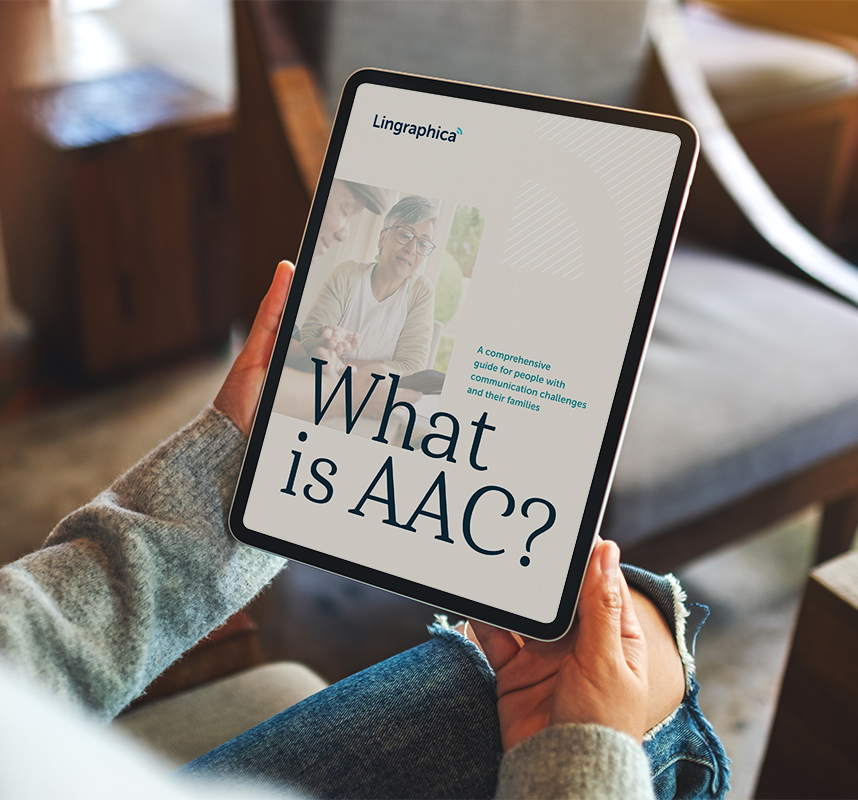



“Do everything you can to ensure you give your child the best way to communicate if he or she is delayed in speaking, or has a disability that prevents him or her from speaking. Don’t wait.”
– Ava*, mother of a child who uses AAC
When every day felt like a guessing game
Imagine knowing your child needs something…but you have no reliable way to know what it is.
Every interaction requires guesswork, and each wrong guess leads to growing frustration and tears.
That was the case for Rowan and his parents.
At two years old, Rowan had plenty to say…he just didn’t have a way to say it.
His go-to methods of communication included a few hand signs and picture cards from the Picture Exchange Communication System (PECS).
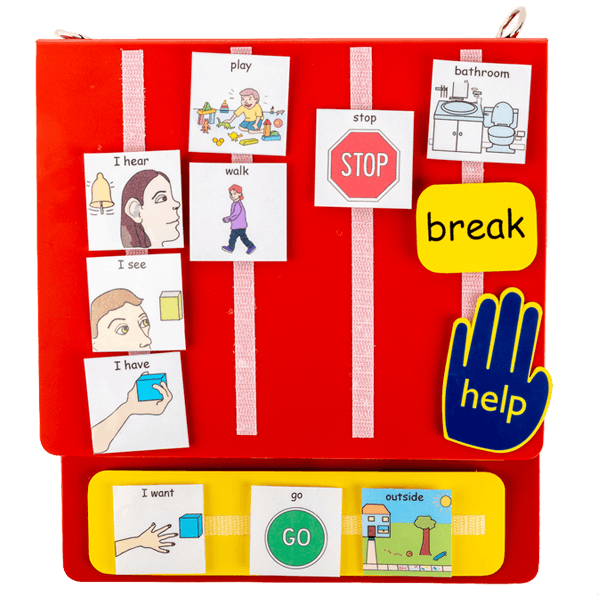
Communication Book for PECS by Pyramid Educational Consultants, 2026.
If those didn’t work, he resorted to pushing, pointing, and crying. Lots of crying.
“It was not always clear what he wanted or needed,” his mom, Ava, emphasized.
Like many parents of young children with communication delays, Ava and her husband found themselves constantly guessing.
After Rowan was diagnosed with autism, his pediatrician encouraged taking a “wait and see” approach. But that recommendation didn’t sit right with Ava.
“We did not want to keep waiting like the doctors and early intervention told us to,” Ava said. “We wanted to give our son the best opportunity for brain development. At this age, the brain is like a sponge – it absorbs so much new information.”
So, they decided to try another way for Rowan to express himself.
Building communication before words
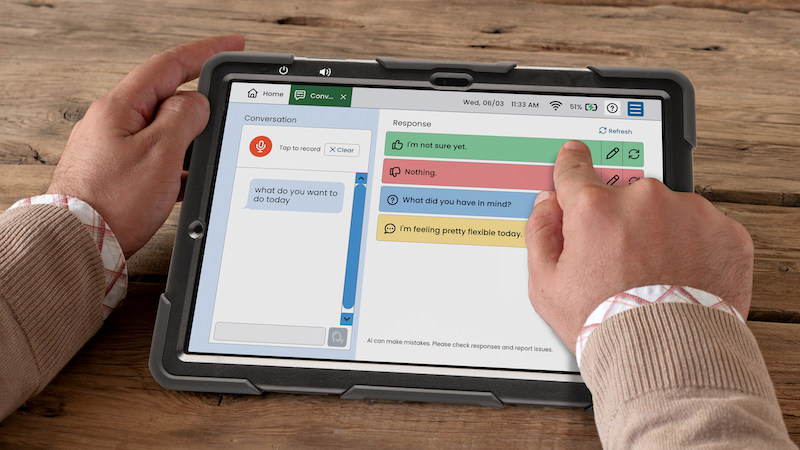
The idea of using augmentative and alternative communication (AAC) wasn’t entirely new to Rowan or his parents. Rowan had already been using a Picture Exchange Communication System (PECS) to communicate. It helped, but using a book with many different pictures inside felt cumbersome. Ava knew he needed access to more vocabulary and an easier way to express himself.
That’s when she discovered Lingraphica’s AAC device.
At the beginning of Rowan’s device trial, Ava recreated many of his existing picture cards on his AAC device to make the experience feel familiar.
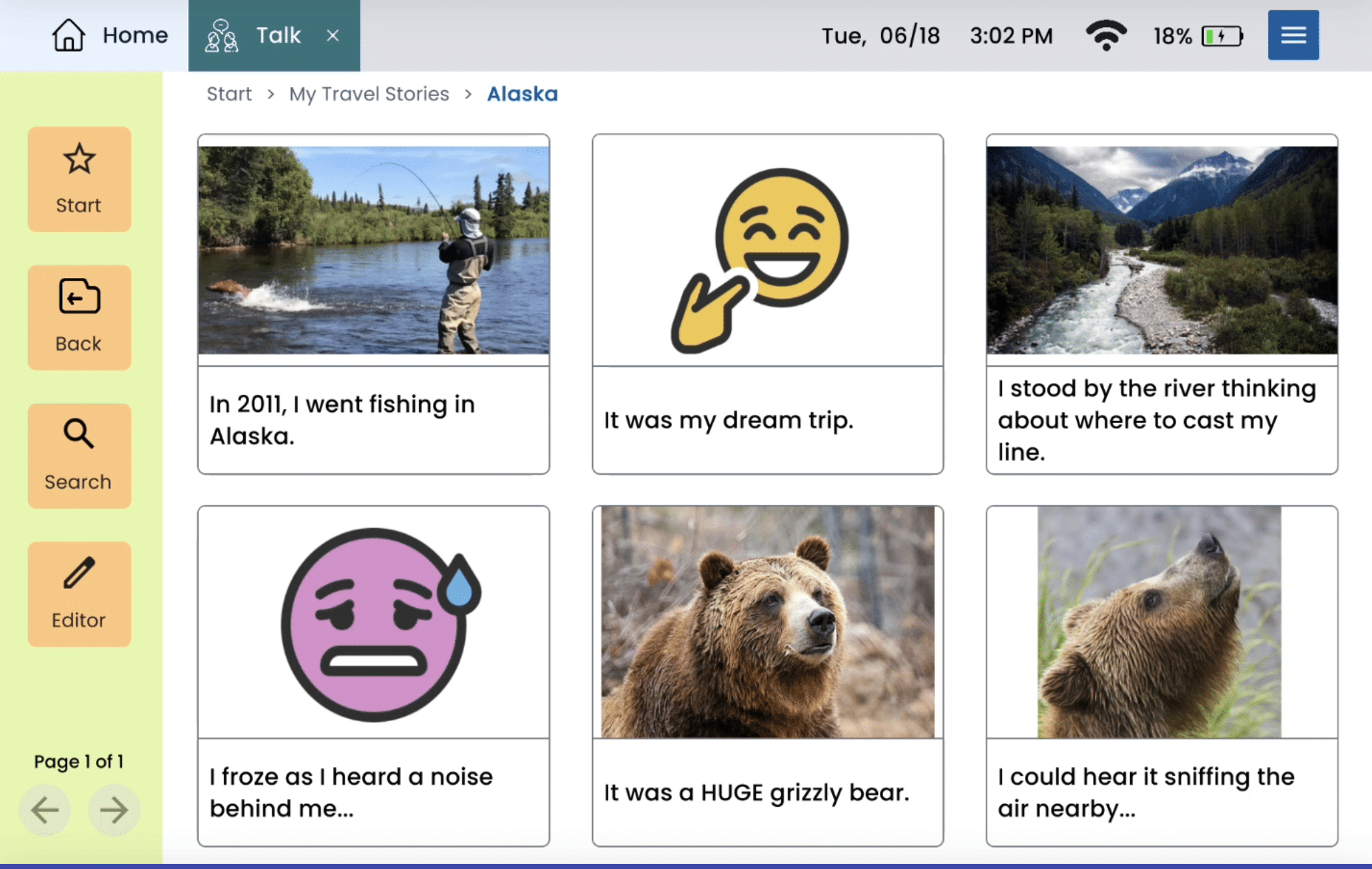
Then, she expanded it far beyond what the communication book could offer, adding:
- vocabulary for everyday routines
- feelings
- favorite activities
…and so much more.
“…I knew he was going to learn to use the device fast and that it could help him communicate,” Ava says.
She was right.
“It motivated my son to use the device when he realized that he could get what he asked for, like juice, a snack, or a toy.”
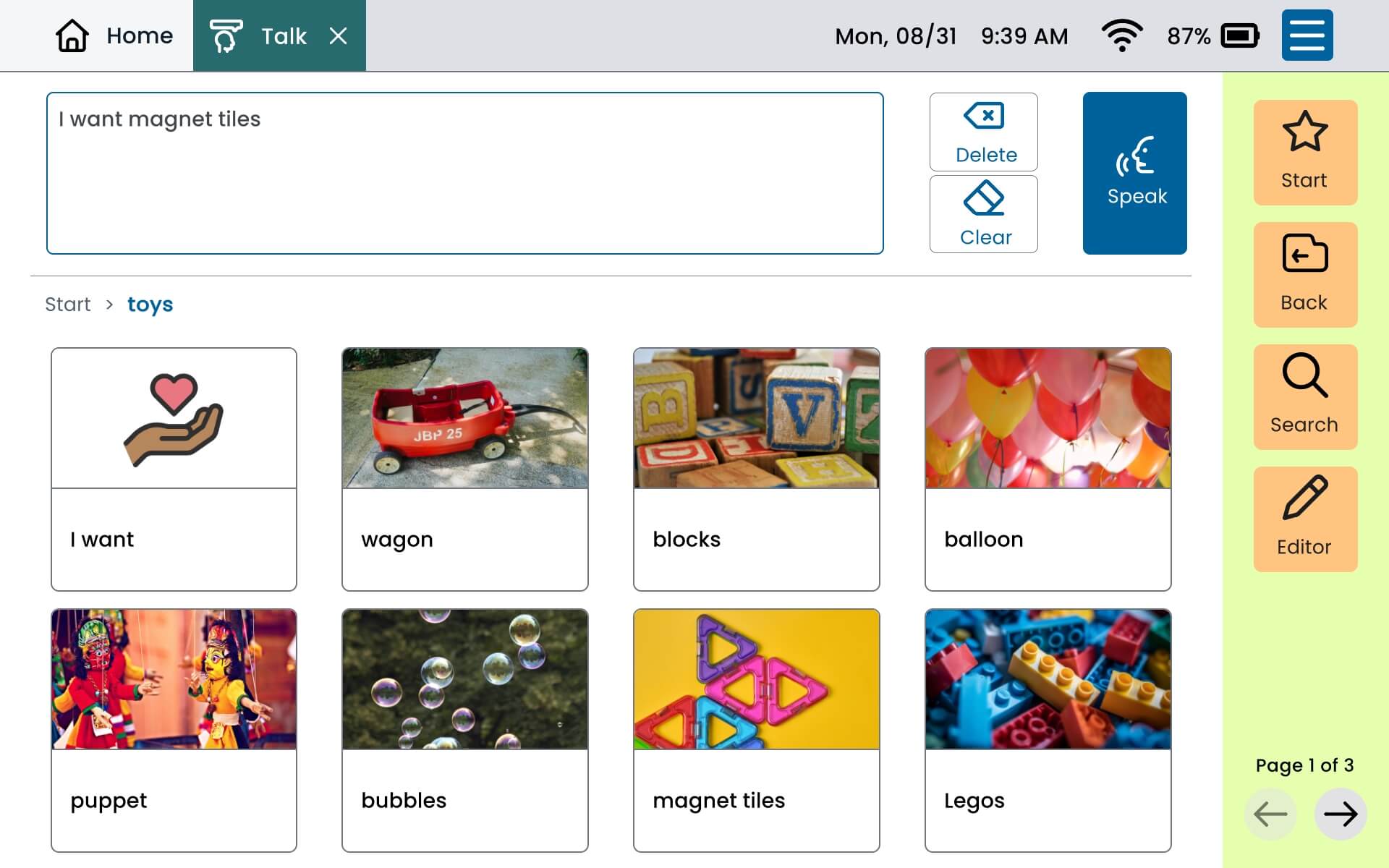
Rowan scrolled through his device’s new vocabulary with curiosity, discovering more ways to communicate every day. His family and the professionals supporting him through ABA, early Intervention, and speech therapy were amazed by how quickly he learned to navigate the device.
A new sense of independence
Beyond Rowan’s increased communication skills, Ava noticed something else that improved their daily lives: she no longer had to guess.
Before AAC, something as simple as choosing a TV show meant trying to interpret Rowan’s gestures and facial expressions. Now, he could simply tell his parents what he wanted.
Then something even more exciting happened…
“He started talking more once he got the device.” Ava says.
Not only did Rowan begin to speak — but as the months went on, his language skills continued to grow!
Ava shared that he began using sentences. And recently, he’s started repeating and using even more spoken words.
Using a Lingraphica AAC device to communicate didn’t replace Rowan’s speech — rather, it helped unlock it.
Ava has some words of wisdom to share with other parents navigating the same journey:
“Do everything you can to ensure you give your child the best way to communicate if he or she is delayed in speaking or has a disability that prevents them from speaking,” she says. “Don’t wait.”
For Ava’s family, choosing not to “wait and see” ultimately gave her son a voice while his own speaking abilities continued to grow. Today, his AAC device remains an important support whenever he can’t find the words he wants to say.
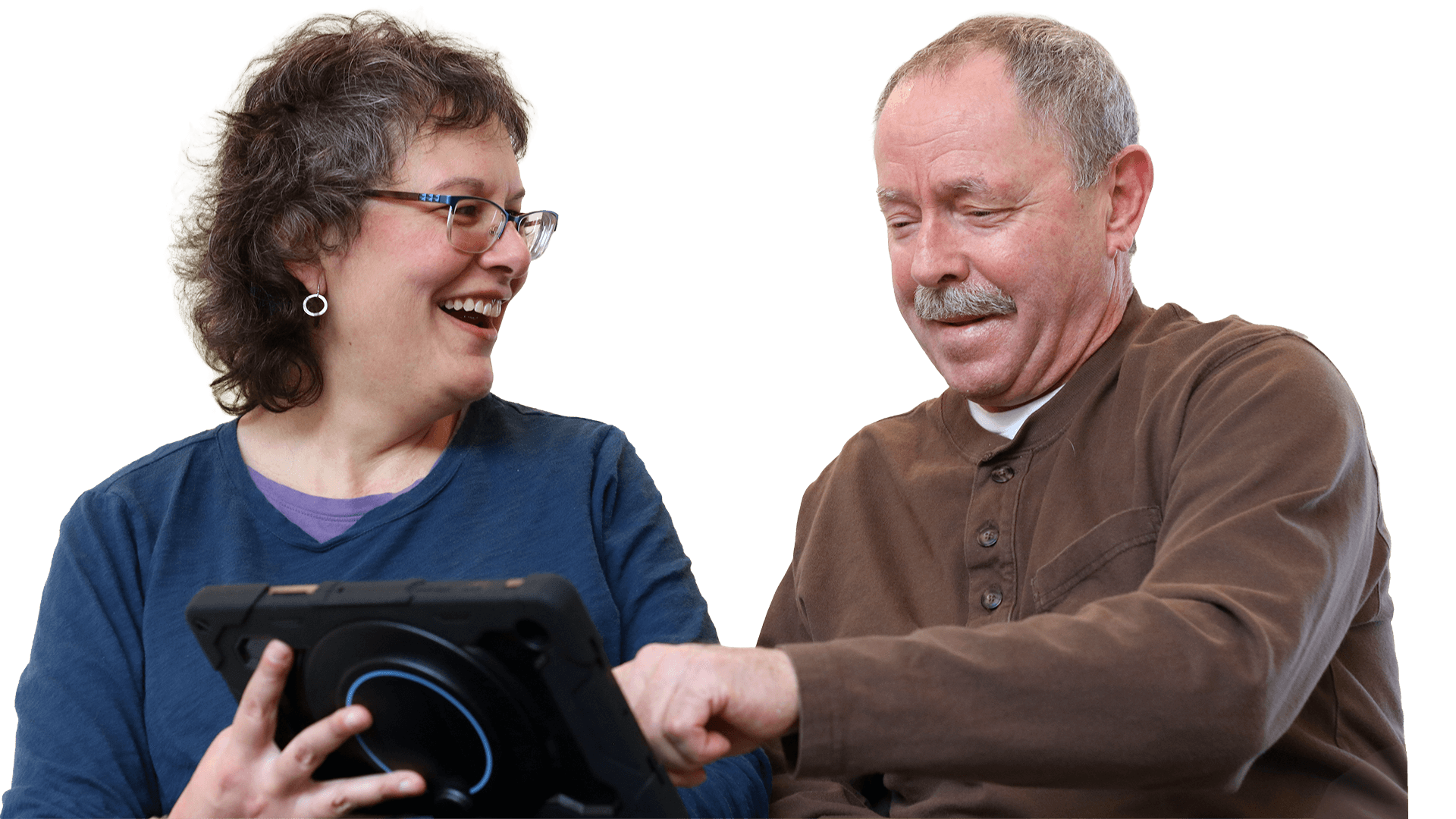
*The names in this story have been changed to protect privacy. The accompanying images are representative and does not depict the family featured in this story.