





When you think of AAC users, what comes to your mind?
Maybe it’s someone who has a device attached to their wheelchair with 24/7 access?
For most of the world, Stephen Hawking is the most easily recognizable AAC user. He used a switch-based speech-generating device full-time for more than three decades.
And more recently, thanks to Disney’s “Out of My Mind,” millions of viewers met Melody, a non-speaking sixth grader who finally gets to share her thoughts through an AAC device.
This kind of visibility is worth celebrating! Stories like these have done more to introduce AAC to the public than almost anything else in recent memory.
At the same time, these stories lead both clinicians and families to believe that “AAC is only for people who cannot speak and need assistance 24/7 in their daily lives.”
This leaves out the clients who are easy to miss.
The ones whose speech mostly holds up until they’re exhausted, anxious, or worn out after one conversation too many.
In other words, the ones who don’t need AAC full-time.
Somewhere along the way, AAC candidacy got tied to how much someone relies on their device.
In reality, a client who uses AAC twice a week during a hard stretch is just as much a legitimate AAC user as one who relies on their device around the clock.
Let’s dig deeper into part-time AAC use!
AAC for people who can talk
AAC for people who can talk is one of the most overlooked corners of our field.
Plenty of AAC users can speak, at least some of the time, in some settings, on some days. Their device works alongside their voice instead of replacing it.
It’s important to remember that a person’s speech doesn’t always behave the same way from one hour to the next.
For plenty of clients, their speech gets harder to access under certain conditions.
What part-time AAC use actually supports
Part-time AAC use can support communication for clients whose speech feels “unreliable” because it changes from situation to situation. This experience is common for so many clients, including those with aphasia, cognitive-communication disorders, dysphonia, or motor speech disorders.
Speaking can become more difficult because of:
- Fatigue
- Background noise at a restaurant
- Sensory or cognitive overwhelm
- The pressure of a doctor’s appointment or big event — where every word needs to come out right the first time
- Side effects from medications
- Stress or anxiety
AAC can make communication easier and less frustrating in these situations.
Progressive conditions deserve a special mention here.
With conditions like Parkinson’s disease or primary progressive aphasia (PPA), speech changes over months or years. AAC can offer support long before someone needs their device for every conversation. Used this way, a device works less like a “last resort.” Instead, it’s a tool someone keeps close by, ready for whenever speech alone isn’t quite enough.
This is worth defining clearly for clients and families who resist AAC because “they can still speak.” For clients with neurodegenerative diseases, waiting until speech disappears completely often means waiting past the point where AAC would have been easiest to learn.
What part-time AAC looks like in practice
Here are some actual part-time AAC cases that help paint a better picture (grab some tea or coffee and take the time to read their stories, they’re quite inspirational!):
Lori Broussard: leaned on AAC to help her return to work

Lori returned to work as a realtor just three months after a stroke left her with aphasia and apraxia of speech. Her speech was often fluent, but it wasn’t consistent, and fatigue or high-pressure conversations made her symptoms worse.
That’s exactly where her AAC device stepped in. She used it to cue words when they wouldn’t come, giving her a second option instead of shutting down mid-conversation. She also used her device to help her practice the phrases she’d need to speak out loud before returning to the office.
Lori’s story shows what AAC use after stroke can look like when it’s part-time.
Iris Rodriguez-Cavallo: uses AAC to help prepare for appointments
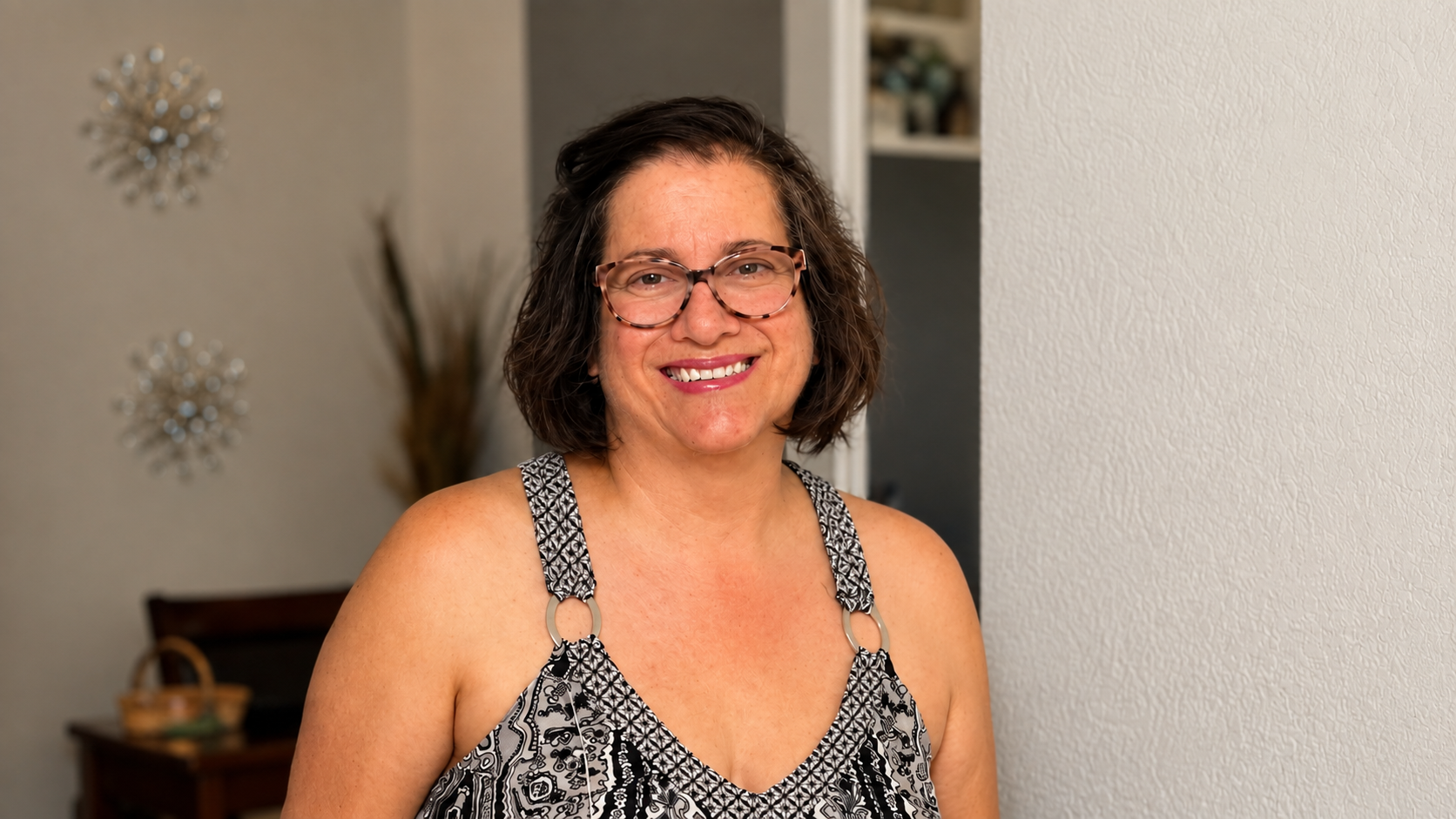
Iris lives with Parkinson’s disease, which has made her voice quieter and less reliable over time.
Rather than waiting for a moment to catch her off guard, she prepares.
She programs messages before doctor’s appointments so she can always have a reliable way to communicate — even during her medication off-time. She also has a folder of pre-programmed phrases to make ordering at restaurants easier.
When an unexpected ICU stay left her struggling to communicate with her care team after surgery, Iris leaned on her device to advocate for herself: explaining her medication schedule, requesting PT/OT/SLP visits, and letting her team know what she needed.
Jason Pine: uses AAC to get ahead of primary progressive aphasia
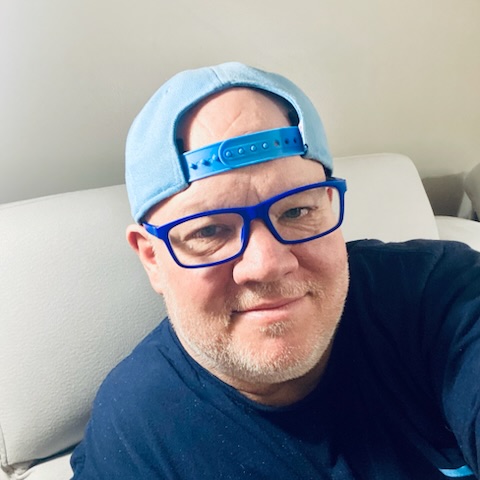
Jason was diagnosed with primary progressive aphasia in 2022, a year after noticing word-finding trouble following a heart attack.
He didn’t wait until his speech declined to start using AAC. He started early, while he could still speak more easily, because early use gave him time to organize and personalize his device before he needed to lean on it more.
Today, he also uses his device to manage neurofatigue. When talking wears him down, his device lets him hand off some of the effort so he can stay in the conversation longer instead of stepping back from it.
SLPs are the best advocates for part-time AAC
At first, it can be a challenge to spot potential part-time AAC users on your caseload.
But remember: AAC isn’t just for clients who have severely limited speech.
It’s also for those who can’t communicate as effectively as they want to in any given moment.
Maybe it’s…
- The person with aphasia who can usually get their message across until fatigue sets in and word-finding becomes much harder
- Someone with dysphonia or dysarthria whose voice doesn’t reliably carry through a noisy family party or restaurant
- A client preparing for surgery that will temporarily limit their ability to speak
- A TBI survivor whose speech “freezes” when they’re experiencing cognitive or sensory overload
These situations can be easy to overlook because communication challenges aren’t happening all day, every day.
But these moments are when part-time AAC can make a meaningful difference.
And as the SLP, you’re best equipped to recognize when extra communication support could help.
Is there someone with part-time AAC needs on your caseload right now?
As SLPs, we’re always looking for ways to help our clients communicate more effectively.
For some clients, AAC becomes their main communication tool.
But for others, AAC doesn’t need to be used all-day, every day to be valuable.
It serves as a “backup voice” and provides communication support when they need it most.
As you think about your caseload, consider whether there’s someone who could benefit from that kind of support.
Because part-time AAC use isn’t a lesser outcome. For many clients, it’s exactly the right one.
About Contributor
 Lauren Hermann, MS, CCC-SLP
Guest Contributor
Lauren Hermann, MS, CCC-SLP
Guest Contributor
Contributors
Lauren Hermann, MS, CCC-SLP
Guest Contributor
Categories
Subscribe to newsletter
Share