

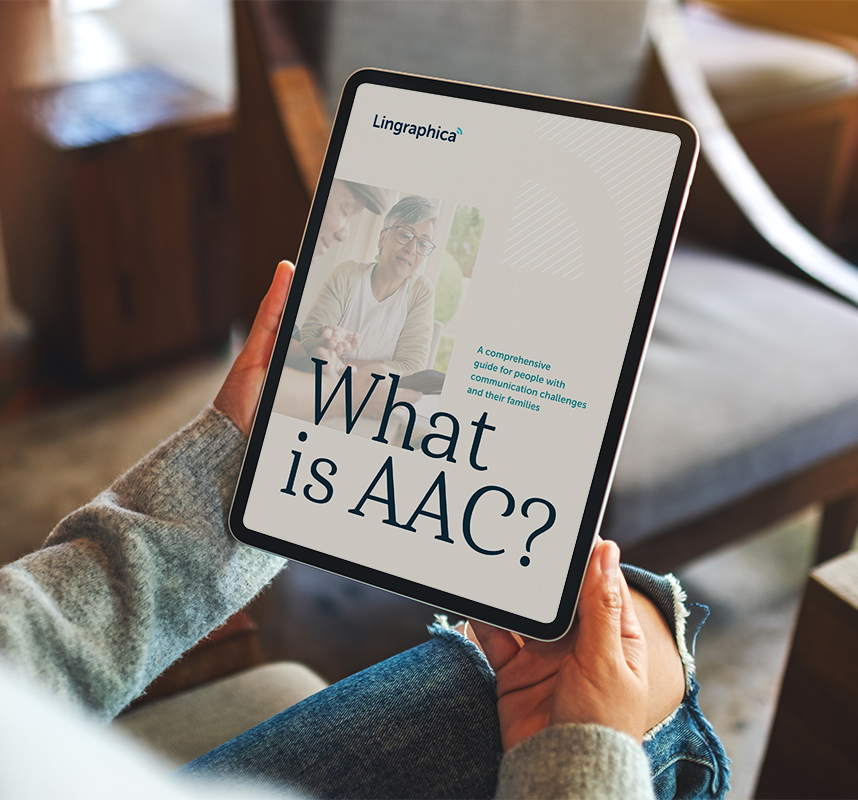


10 principles of aphasia and neuroplasticity that SLPs should know about
Published on Dec 14, 2019

The 10 principles of neuroplasticity offer an evidence-based framework that can be directly applied to both aphasia therapy and AAC device training. This article breaks down each principle and pairs it with practical device integration strategies that SLPs can use in their next therapy session.
Since they were first described by Kleim and Jones (2008), the 10 principles of experience-dependent neural plasticity continue to be widely cited in contemporary stroke rehabilitation research.
Research has shown that using these principles as a basis for therapy can help clients with physical, cognitive, behavioral, and communicative impairments maximize their potential during treatment. When applied to aphasia therapy and AAC, these principles can also support more effective, long-term device use.
When an SLP introduces AAC, it’s important to incorporate training techniques that set the client up for success throughout their rehabilitation journey. Many SLPs turn on an AAC device and ask themselves: “How can I make this relevant for my client over the long term?”
Reviewing each principle of neuroplasticity — and pairing it with a complementary AAC strategy — is a great place to start.
Principles of neuroplasticity and AAC device integration strategies
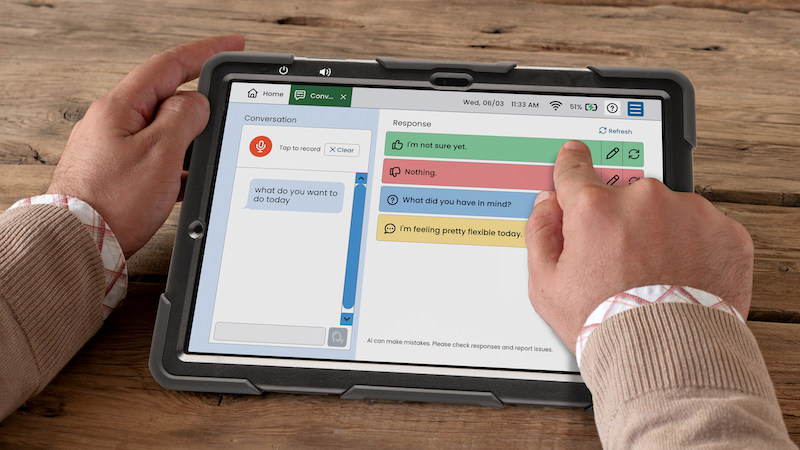
- Use it or lose it: Device users benefit most from an AAC device when they use it daily. Failure to use it can lead to functional decline. SLPs can address this by programming phrases from an individual’s daily conversations into the device — like “I would like a cup of coffee.”
- Use it and improve it: Once the user has demonstrated the ability to select a single icon, they can build on that skill by combining icons or navigating through additional levels of the device.
- Specificity: The vocabulary on a device directly impacts the user’s ability to communicate effectively. For example, if a user has chronic back pain, the device should include phrases related to the pain scale or specific medications to address that need.
- Repetition matters: Neuroplasticity requires sufficient repetition. SLPs can support this by building a consistent routine around device use.
- Intensity matters: Plasticity requires sufficient training intensity. Using intensive practice with device users helps ensure that the features designed to support them are truly working.
- Time matters: Different forms of plasticity occur at different times after a stroke. Continuously revisiting device training techniques at various stages of recovery helps the user maximize neuroplasticity and build lasting device skills.
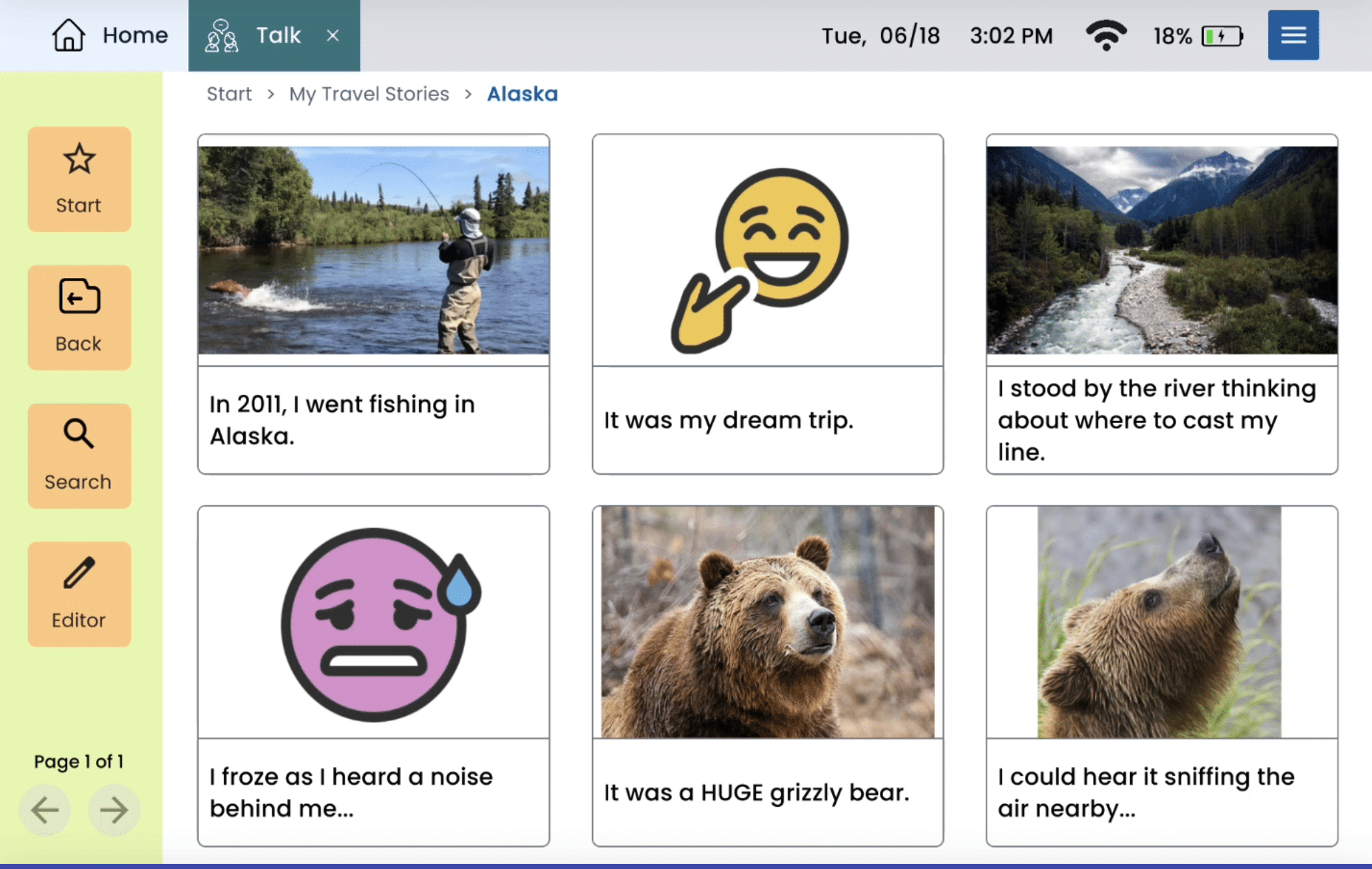
- Salience matters: Whatever the user does on the device, it should tie back to something meaningful to them — whether that’s messages about family, a favorite hobby, or a preferred meal.
- Age matters: Plasticity occurs more readily in younger brains, but adult brains are still capable of plastic adaptation. SLPs may need to apply more than one principle of neuroplasticity when working with older device users.
- Transference: Plasticity in response to one training experience can enhance the acquisition of similar behaviors. For example, an SLP can use the device’s typing features to strengthen an individual’s spelling skills.
- Interference: Plasticity in response to one experience can interfere with the acquisition of other behaviors. If a person with aphasia has developed compensatory strategies, the SLP may need to work harder to retrain the brain for effective device use.
SLPs will likely recognize many of these strategies from their daily therapy sessions. Understanding the neuroplasticity principles behind these techniques can help clinicians make more intentional decisions about their therapy approach and improve client outcomes.
References
Kleim, J. A., & Jones, T. A. (2008). Principles of experience-dependent neural plasticity: implications for rehabilitation after brain damage. Journal of speech, language, and hearing research : JSLHR, 51(1), S225–S239. https://doi.org/10.1044/1092-4388(2008/018)
About Contributor
 Lingraphica Team
AAC Experts
Lingraphica Team
AAC Experts
Lingraphica helps people with speech and language impairments improve their communication, speech, and quality of life. Try a Lingraphica AAC device for free.
Contributors
Lingraphica Team
AAC Experts
Categories
Subscribe to newsletter
Share