


How one bilingual stroke survivor uses Lingraphica AAC to communicate in Spanish and English
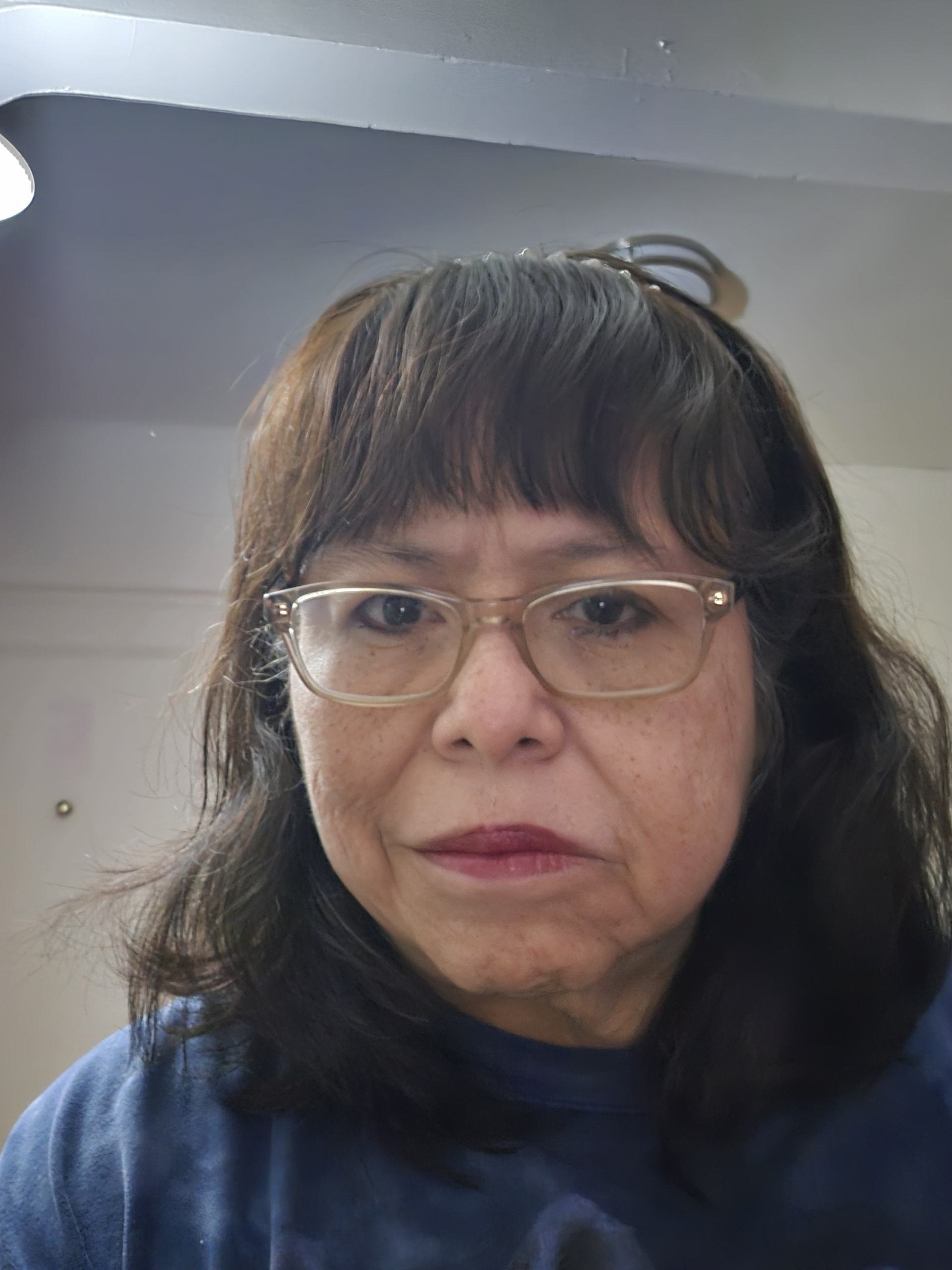
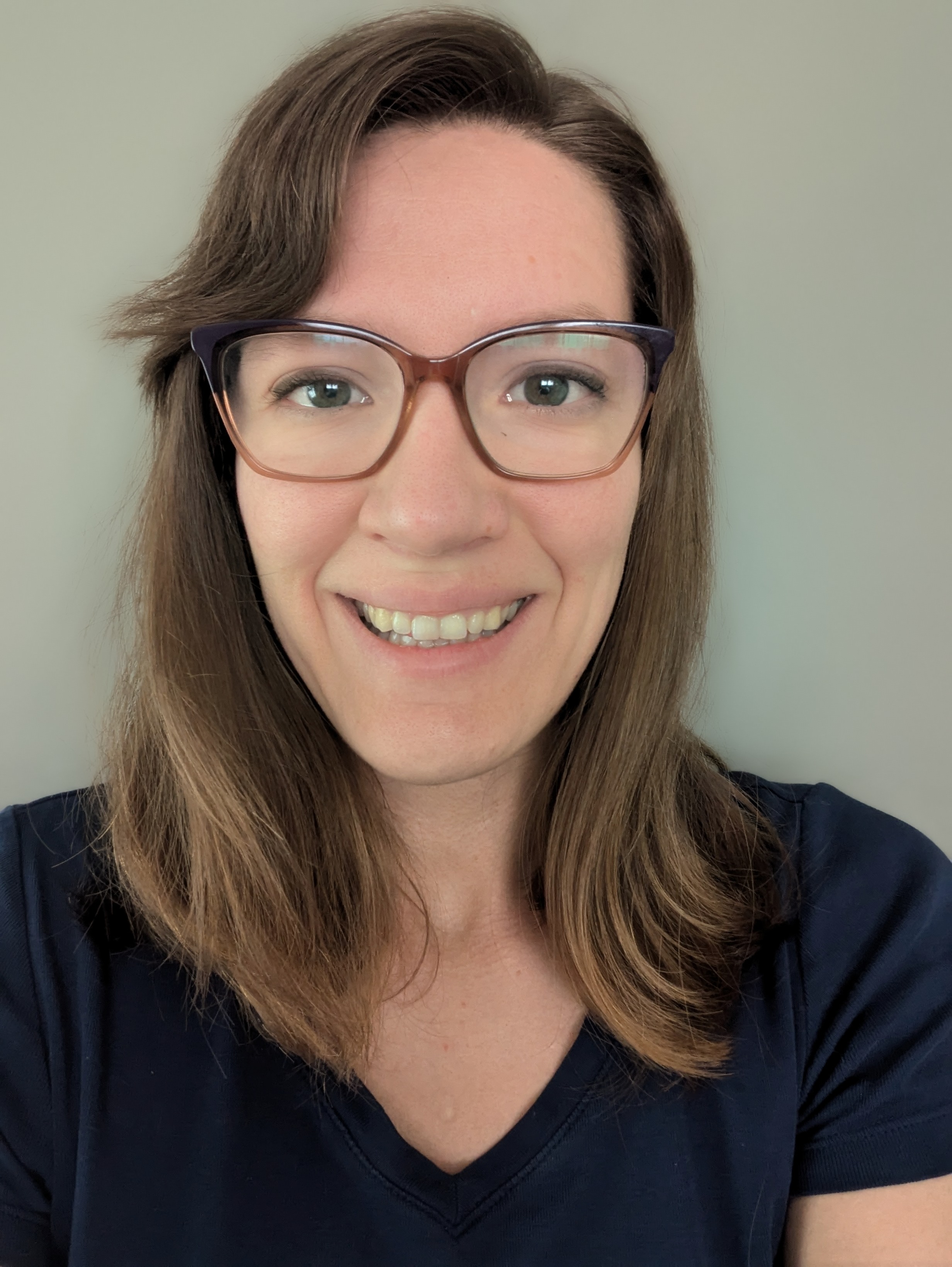
“In the past, I didn’t want an AAC device. I practiced my speech on my own. But before I got the AAC device, I was angry and frustrated. Now, I am not frustrated. I feel happy and confident.” – Evelyn D., stroke survivor
How Evelyn found Lingraphica after 20+ years with aphasia
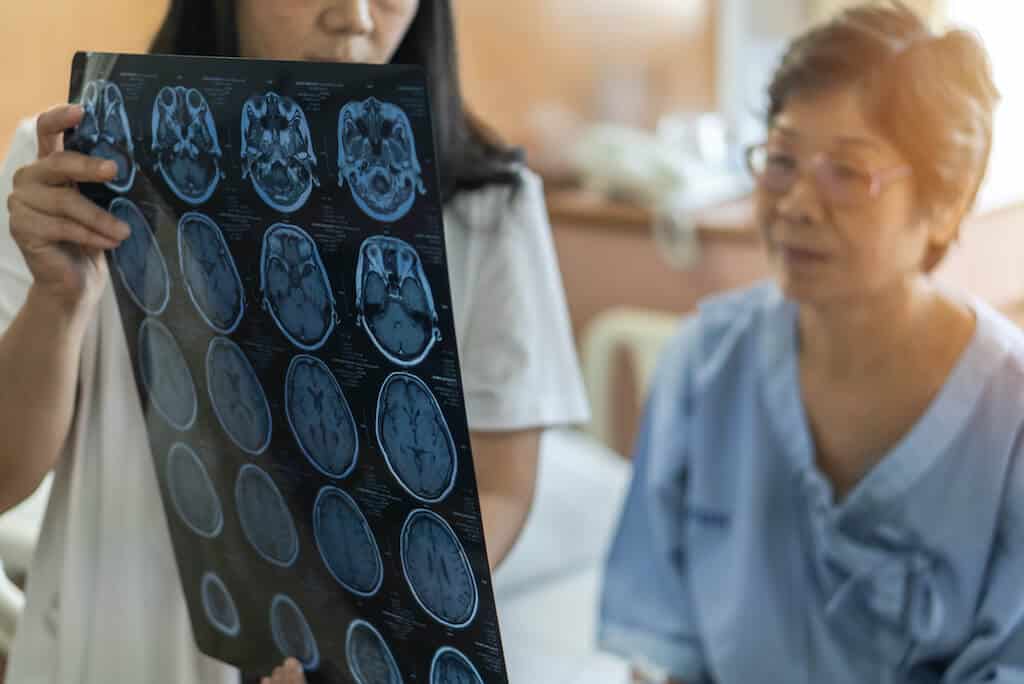
After having a stroke at just 30 years old, Evelyn had always been diligent about attending speech therapy and a local aphasia support group. She’d already been living independently with transcortical motor aphasia for 20+ years.
But as a Bronx resident, Evelyn’s usual routine came to a screeching halt in 2020 when the COVID-19 pandemic turned New York City upside down.
Suddenly, she couldn’t go anywhere. Her local aphasia group stopped meeting. And without being able to go to in-person speech therapy, she needed to find a new way to practice her speech — in both English and Spanish — at home.
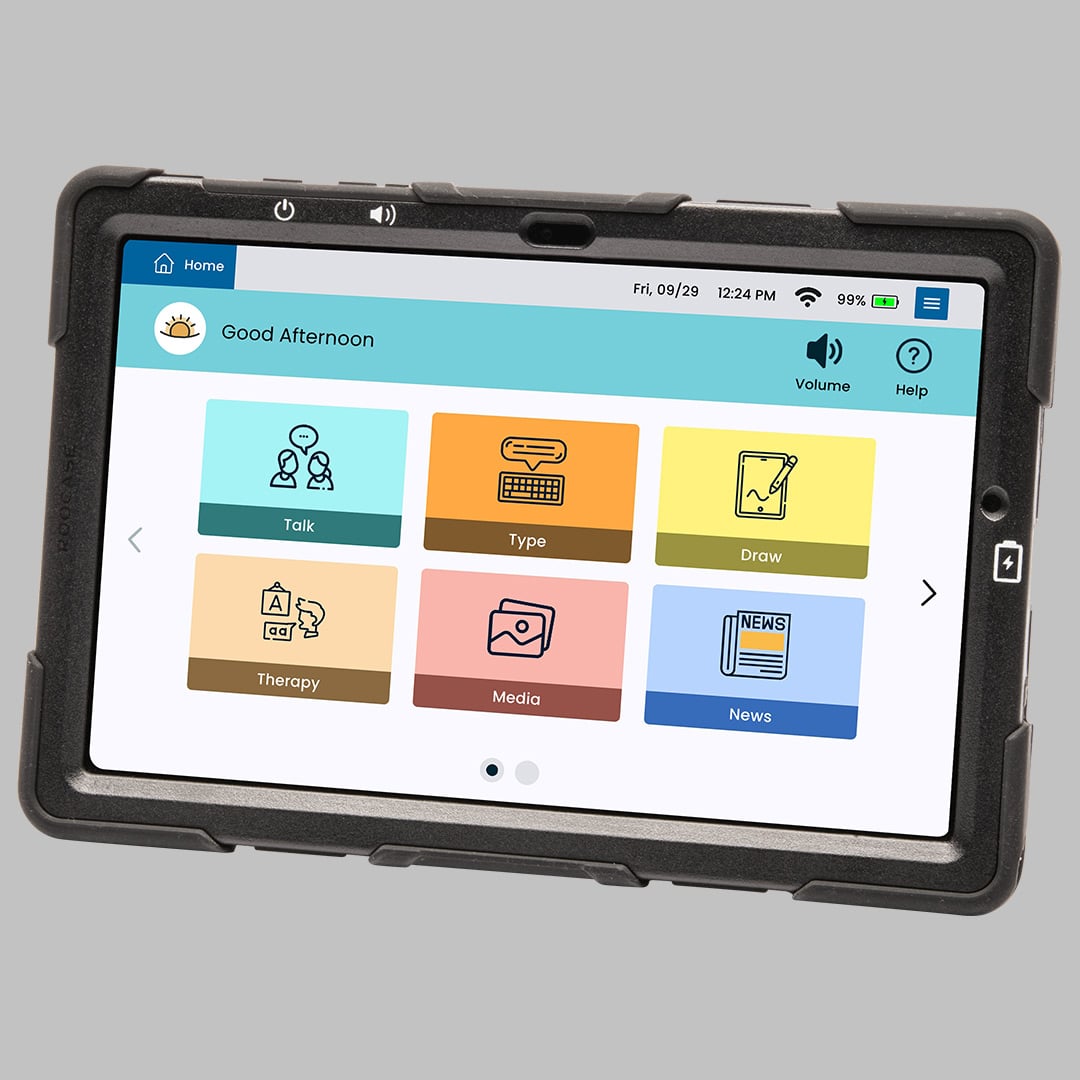
In her search for aphasia support during the COVID-19 pandemic, Evelyn learned about Lingraphica’s at-home AAC device trial program. Figuring she had nothing to lose, she decided to try a Lingraphica device. She hoped she could use the AAC device to help her practice her speech at home. She also wanted a reliable way to communicate in moments when her words wouldn’t come out — like during stressful situations or when talking to medical professionals.
Evelyn felt skeptical about using AAC at first
While Evelyn soon became a friendly, familiar face inside Lingraphica’s Join In Aphasia virtual community, she wasn’t quite sure about using her AAC device at first.
“I thought that using the [AAC] device would make me lazy,” Evelyn shared. She worried that relying on an AAC device to speak for her would make her speech worse. After dedicating so much time to improving her speech in therapy, Evelyn didn’t want to risk losing everything she’d worked for!
Her hesitation is one many people with aphasia share: the worry that using an AAC device will somehow replace speech, rather than support it. The idea that “using AAC will prevent a person with aphasia from regaining their speech” is actually a very common myth.
In fact, research recommends using AAC to support speech and language recovery after a stroke or brain injury. The best speech and language outcomes happen when a person with aphasia can use both AAC and their speech to communicate (Hux et al, 2008; Dietz et al., 2020).
Once Evelyn started using her device and discovered these facts, she formed a new opinion. “It won’t make you lazy. The AAC is actually helpful,” she says.
She also shared that it was a relief to have her AAC device act as a “backup” option for moments when her words weren’t coming out the way she wanted them to (especially during stressful situations).
Using AAC for home speech practice and conversations
Like many other bilingual stroke survivors, Evelyn’s aphasia impacted one language more than the other. She found it much easier to communicate in English after her stroke. However, her husband primarily speaks Spanish. This meant there were many times when they struggled to communicate, despite their love for one another.
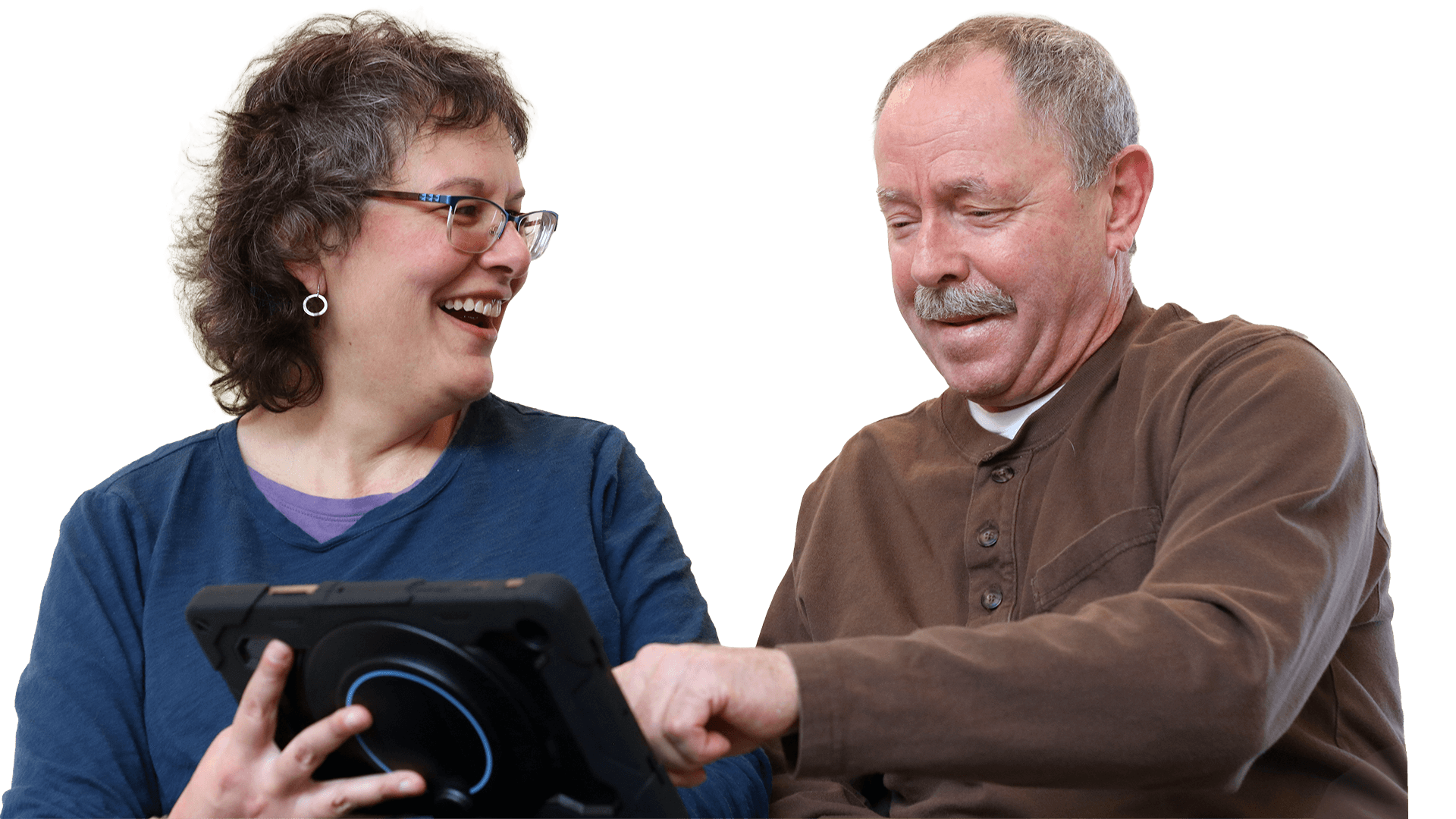
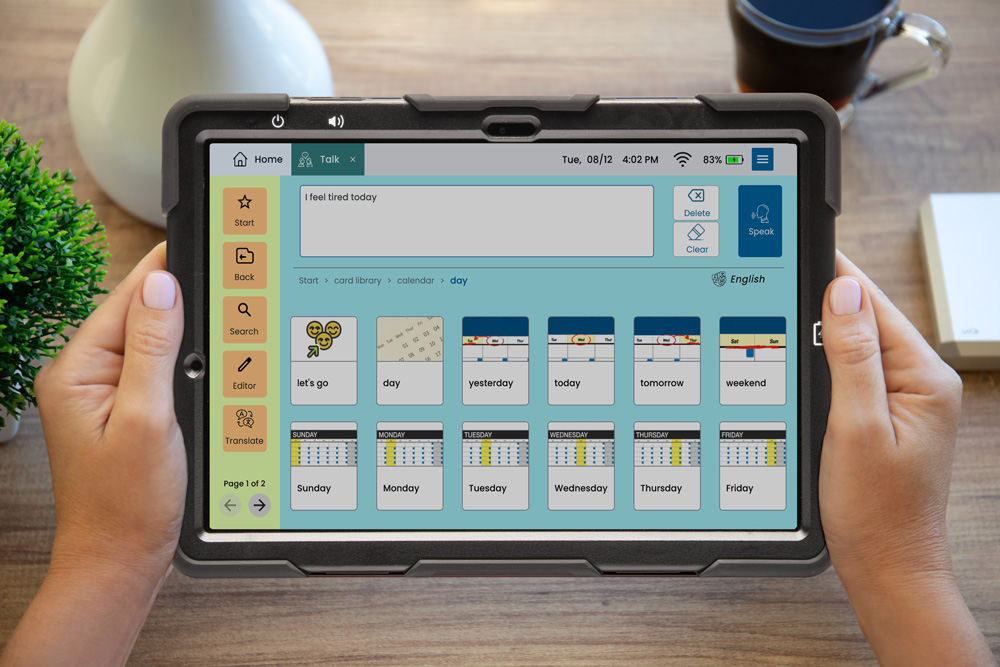
Now, Evelyn uses her AAC device’s dual language mode — which lets her translate messages between English and Spanish with just a tap — to communicate with her husband.
Evelyn also felt pleasantly surprised to find that her AAC device has given her so much more confidence when communicating in everyday life! She said, “In the past, I didn’t want an AAC device. I practiced my speech on my own. But before I got the AAC device, I was angry and frustrated. Now, I am not frustrated. I feel happy and confident.”
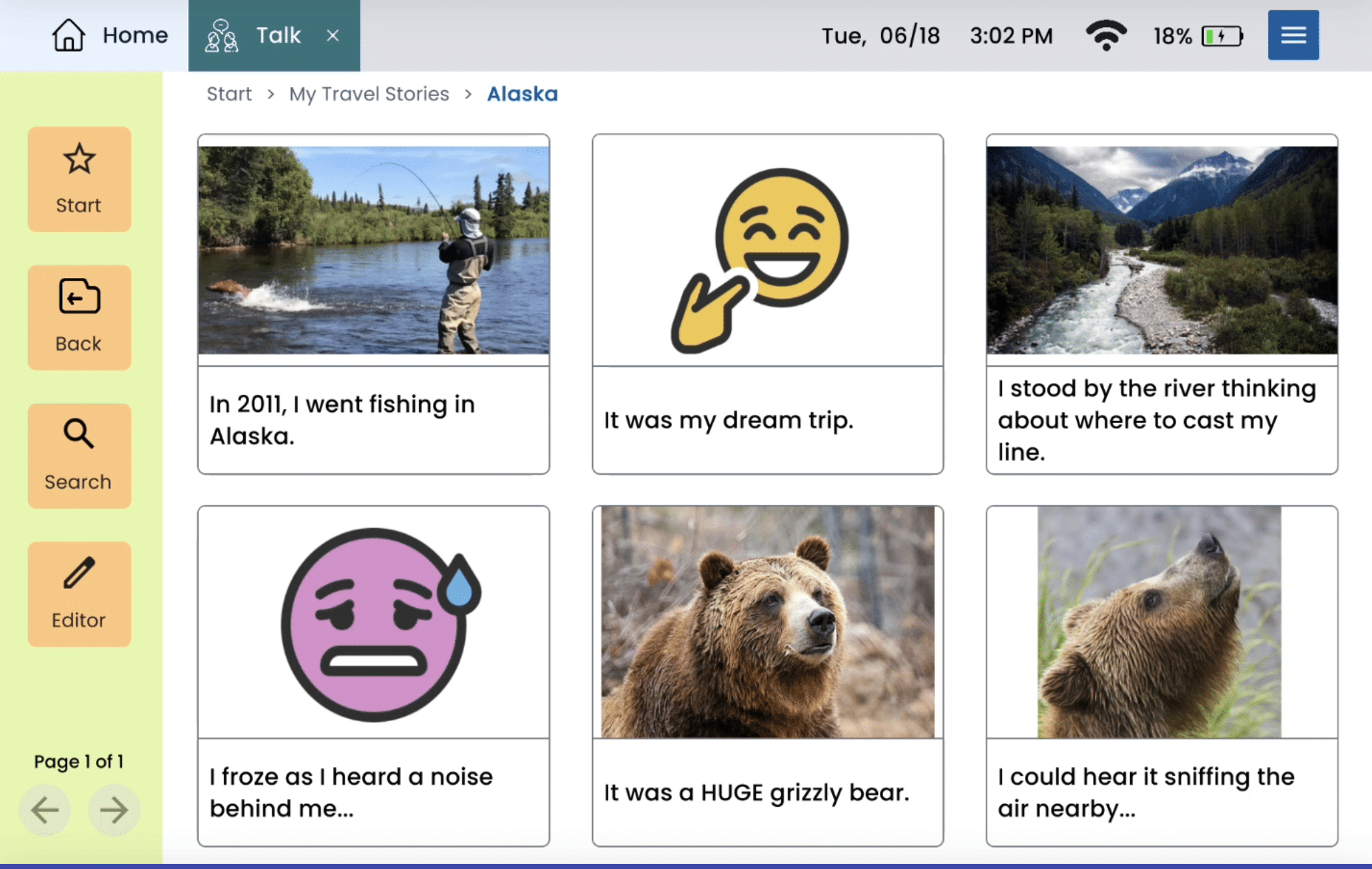
Even after owning an AAC device for 5 years, Evelyn is constantly exploring new ways to practice her speech at home with AAC. Lately, she’s been using her Talk app, which links to an online dictionary. From there, she can practice each syllable of the words out loud.
The many ways Evelyn uses her Lingraphica AAC device to communicate and practice her speech are truly impressive! Her creativity and determination show how AAC can empower bilingual people with aphasia to reconnect — in both Spanish and English — with confidence.