

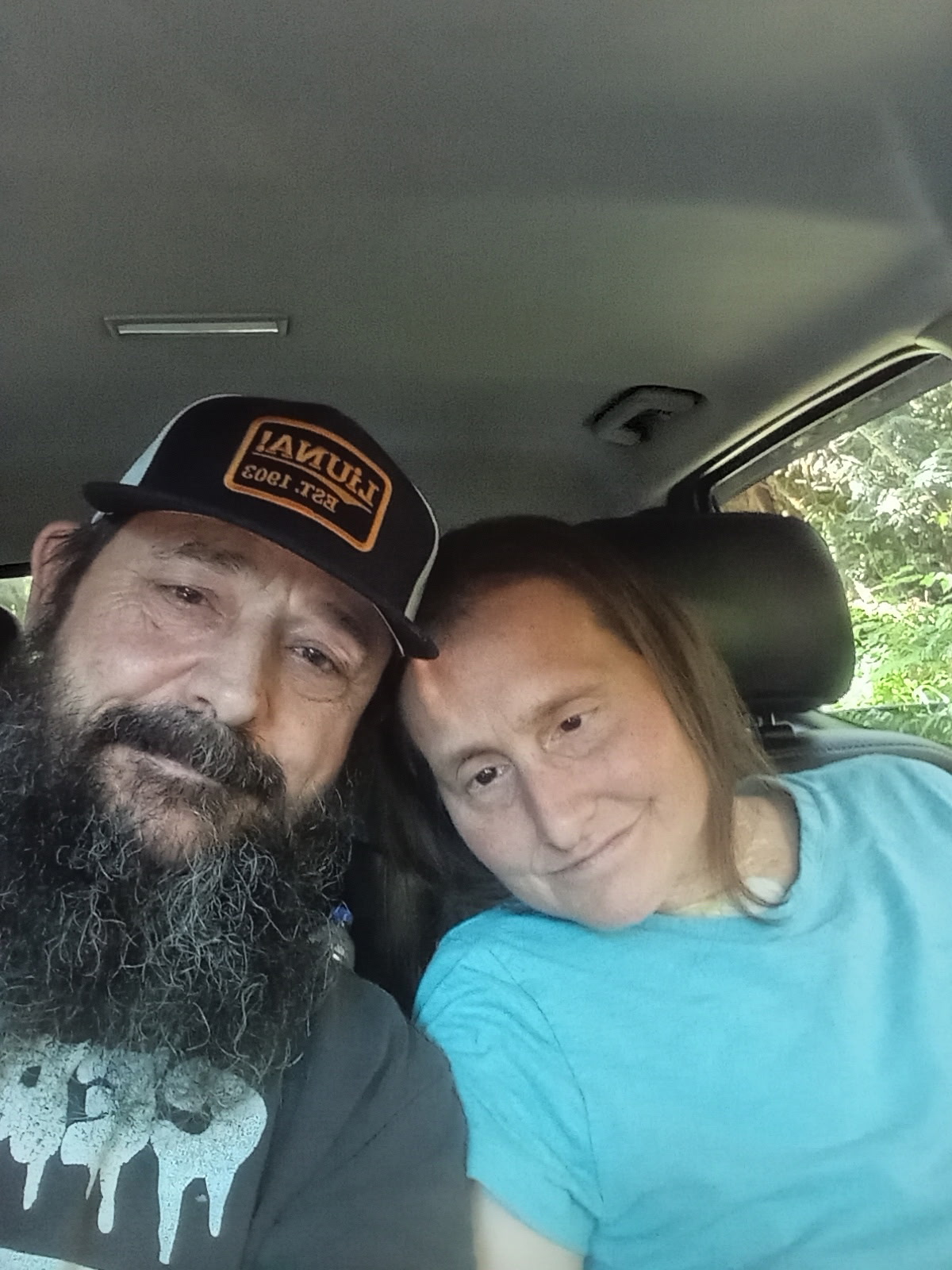
“Cindy wasn’t supposed to be alive. She was in the ICU for 73 days on life support. It was very hard…but having a Lingraphica device made it easier. With Lingraphica, Cindy was able to have a life — and a voice — again.” – Marcus Searls, husband of Cindy Johnson (stroke survivor)
Marcus was at work when he received the phone call no husband ever wants to hear. His wife, Cindy, was being urgently taken to a large stroke center in Seattle, Washington — over 2 hours from their small town. Cindy, 42 years old at the time, had collapsed on her in-laws’ back porch. She was discovered only after their family’s dog began barking to alert others that something was wrong.
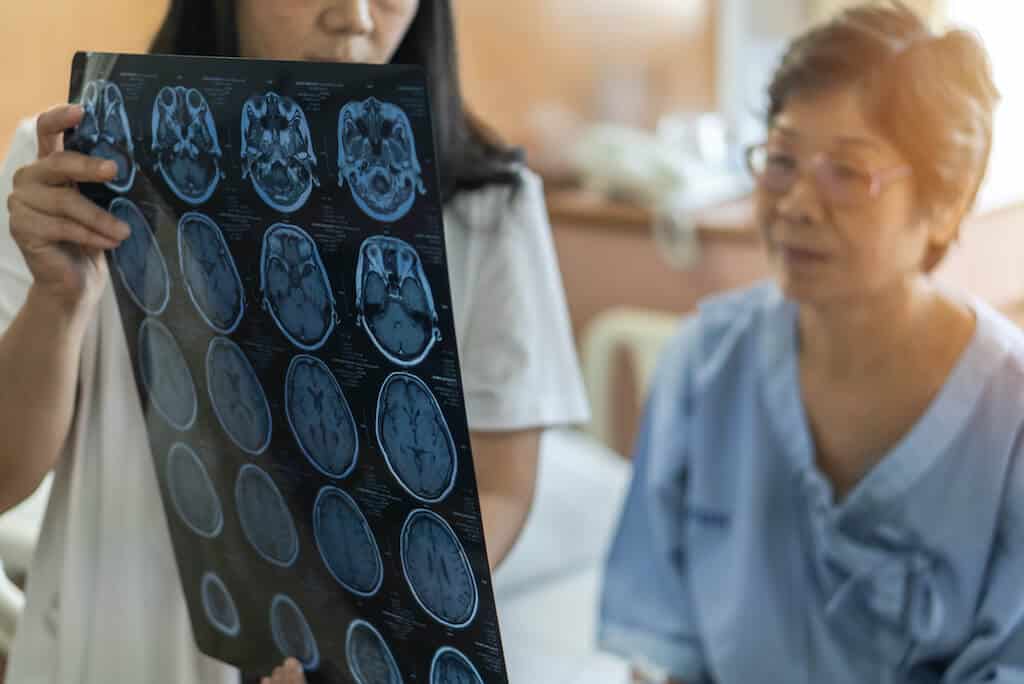
The doctors at Harborview Medical Center informed Marcus that Cindy had an “arteriovenous malformation (AVM).” This tangle of irregularly formed blood vessels had ruptured, causing a severe brainstem stroke.
Cindy spent 73 days in the ICU, undergoing multiple brain surgeries and receiving a tracheostomy to help her breathe. As she slowly became more conscious, she faced a devastating reality: she couldn’t move or speak. She could only blink and move her eyes to show she was awake.
“She couldn’t make any facial expressions,” Marcus explained. “At first, I thought she was always mad — but it was actually because she was locked-in.”
Locked-in syndrome is a rare, serious neurological disorder that happens because of brainstem damage. People with locked-in syndrome are paralyzed, except for the muscles that control vertical (up and down) eye movements. Like Cindy, people with locked-in syndrome are conscious, alert, and can think — but they cannot speak or move.
Cindy’s doctors were guarded about her recovery. They told Marcus that although Cindy survived, she may never speak or move again. Research shows that only ~49% of people living with locked-in syndrome recover any ability to speak, and ~21% regain the ability to move their muscles significantly (Lugo et al., 2003; Casanova et al., 2015).
Even with such a grim outlook, Marcus knew he wanted Cindy to return home, no matter what. He visited her in the hospital every day, trying to interpret what Cindy was thinking. One day, he noticed things were different: Cindy could move her finger!
How Cindy’s recovery started with AAC (and just one finger)
After another 3.5 months in a rehabilitation facility and endless hours of caregiver training, speech therapy, occupational therapy, and physical therapy — Cindy was finally able to return home with Marcus! Unfortunately, communication was still a major challenge for them.
Cindy had come home with a communication device — but it felt way too bulky, heavy, and complicated for her or Marcus to use. It was hard for them to navigate using special eye-tracking access. Cindy struggled to find the words she wanted to say on the device. To make matters worse, it would constantly lock Cindy out when she was trying to form a message, requiring a password to start all over again. They turned to their new outpatient speech therapist, Monica, for help.
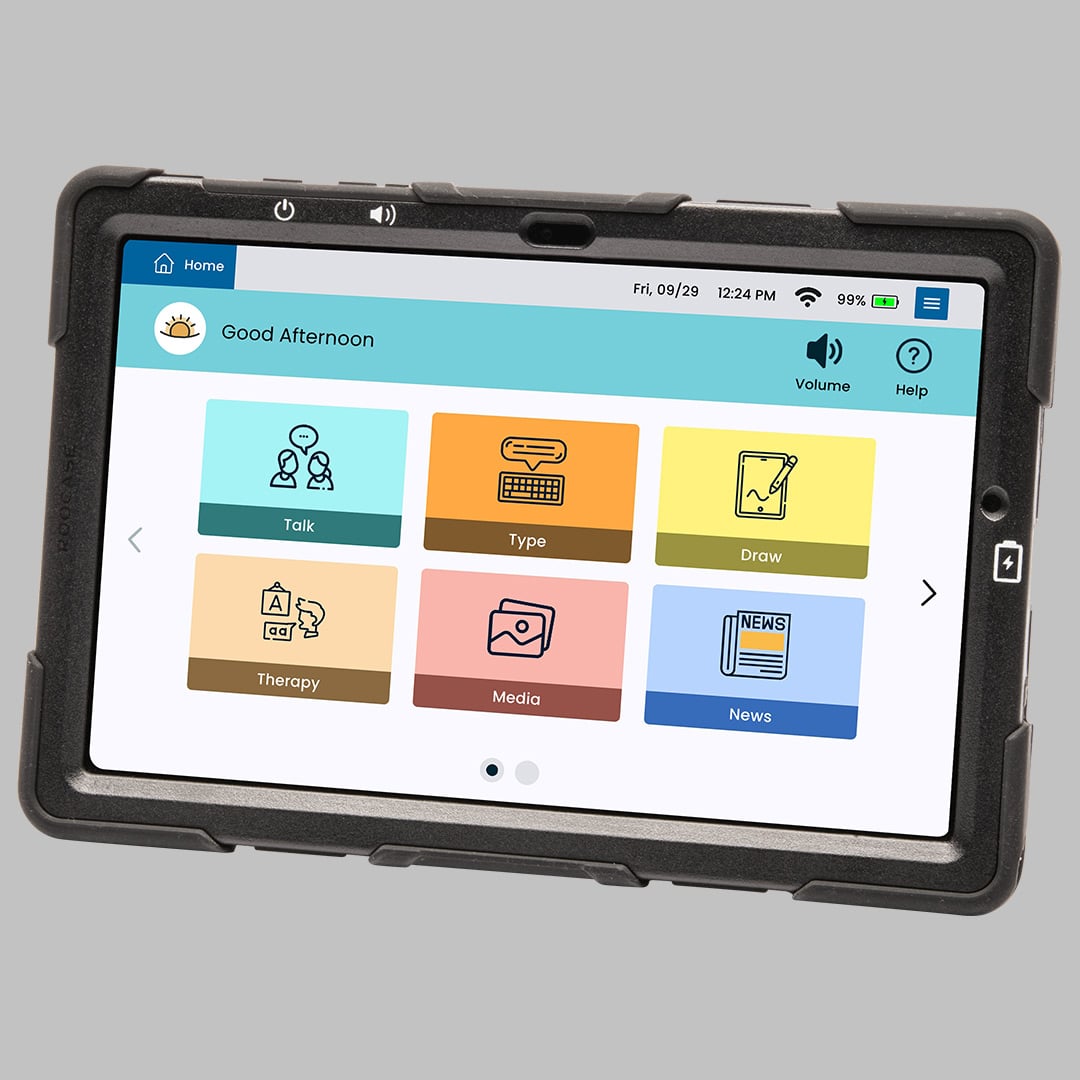
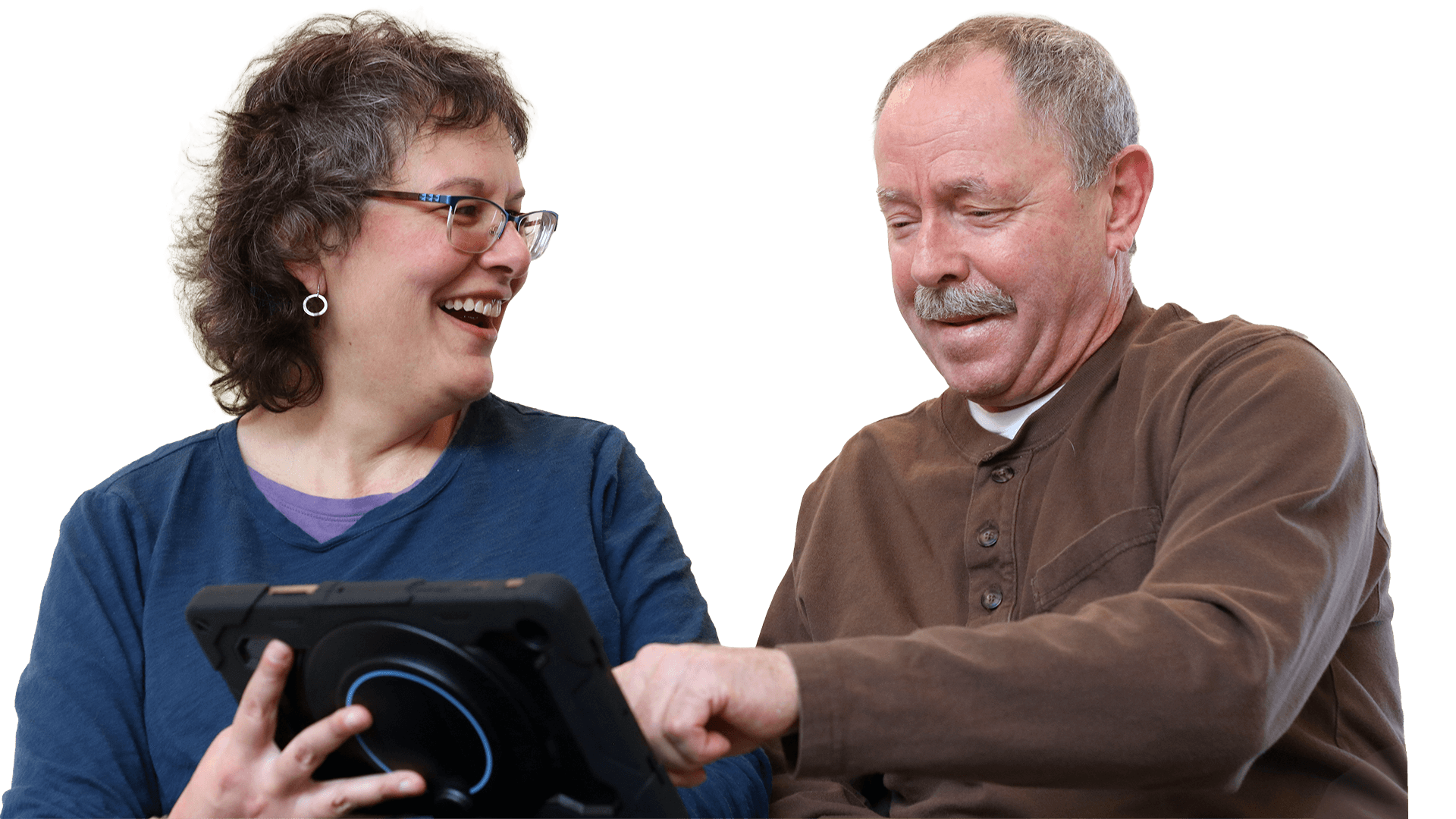
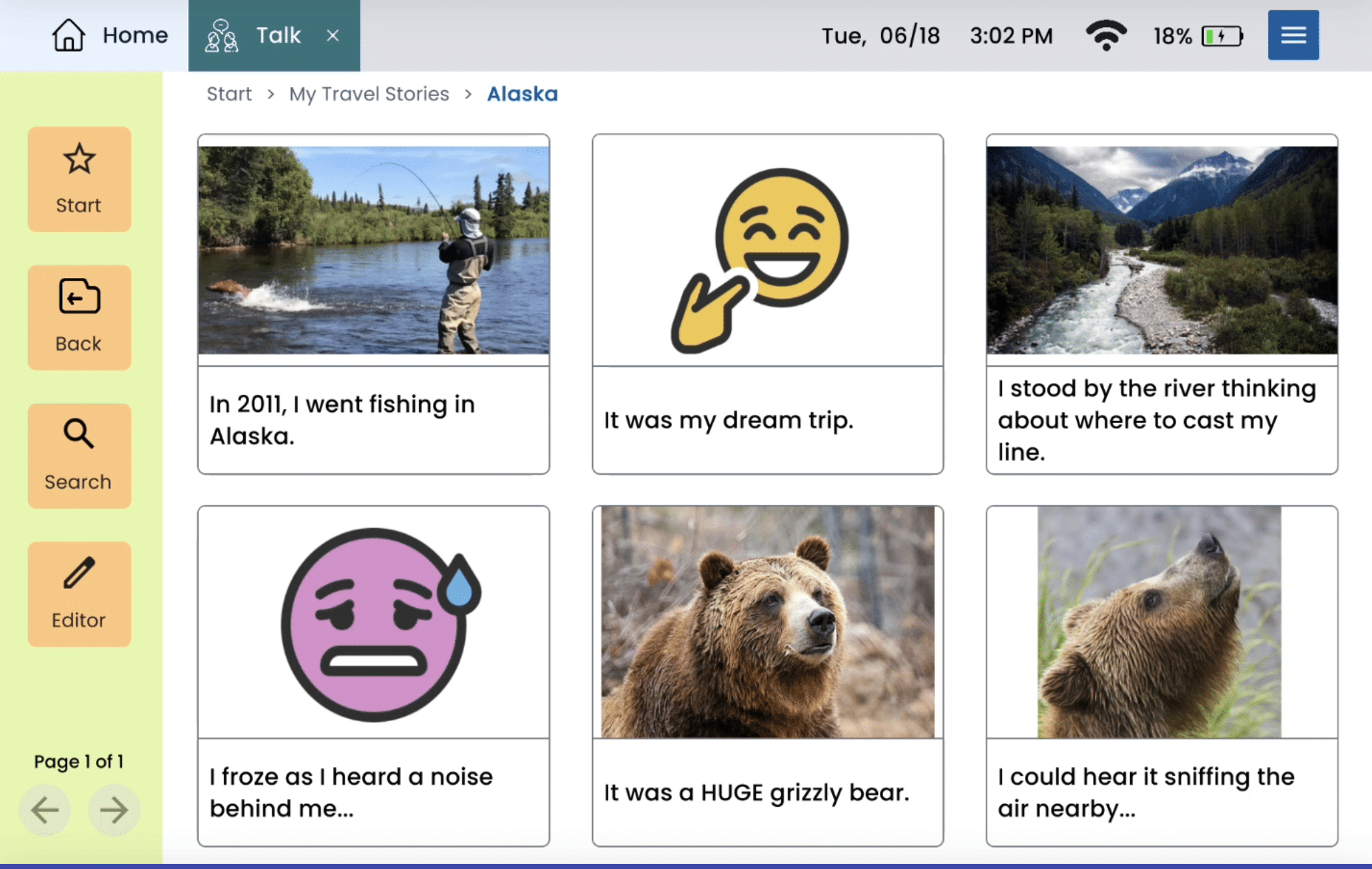
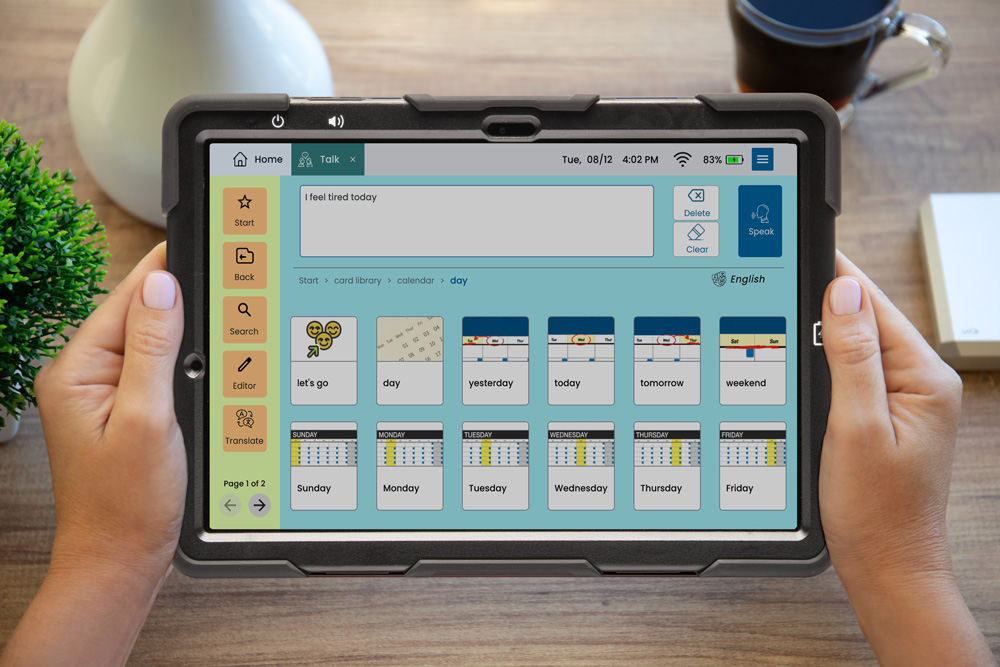
Now that Cindy had regained the ability to move her finger, Monica encouraged them to try a Lingraphica communication device (also called an “AAC device”) instead. She’d had other patients have positive experiences with Lingraphica devices. Cindy and Marcus figured they had nothing to lose by doing a free AAC device trial…and now, Cindy could simply use her finger to tap and scroll through the device.
This time, trying AAC was different. “She had her Lingraphica device figured out within a day,” Marcus said.
From being locked-in to finding her voice again
While Cindy’s memory from early in her stroke recovery is fuzzy, Marcus still remembers one of the first times she was able to communicate with him using her Lingraphica device.
“One of my favorite moments was when you told me your feet were cold,” he reminded Cindy, smiling. “And that you loved me.” After months of being unable to say what was on her mind, Cindy could finally communicate the most important things to her.
Cindy’s Lingraphica device quickly became a part of their daily routine. She typed messages using the Type app’s on-screen keyboard, and the device would read them aloud to share what was on her mind. Marcus and Cindy agreed this was a turning point in her stroke recovery process, as it helped her brain reconnect the pathways for speech.
“And even if she had never gotten her voice back, she would have always had the Lingraphica device.” Marcus explains. “It doesn’t matter if you’re able to progress to where you can speak again verbally. You can always be verbal with this device.”
Cindy continues defying the locked-in syndrome recovery odds
Nowadays, Cindy continues to work hard on regaining her speaking abilities in therapy. She’s made such great progress that she and Marcus decided to donate her Lingraphica device to the rehabilitation facility where Cindy’s post-stroke recovery began, so that it can continue helping other stroke survivors communicate. She recently got her tracheostomy tube removed (a huge step!) and is doing great. She has also been practicing walking more, thanks to a set of parallel bars that their dear friend and the business agent for their local LIUNA Laborers’ Union #252, Richie Meyer, built for their home.
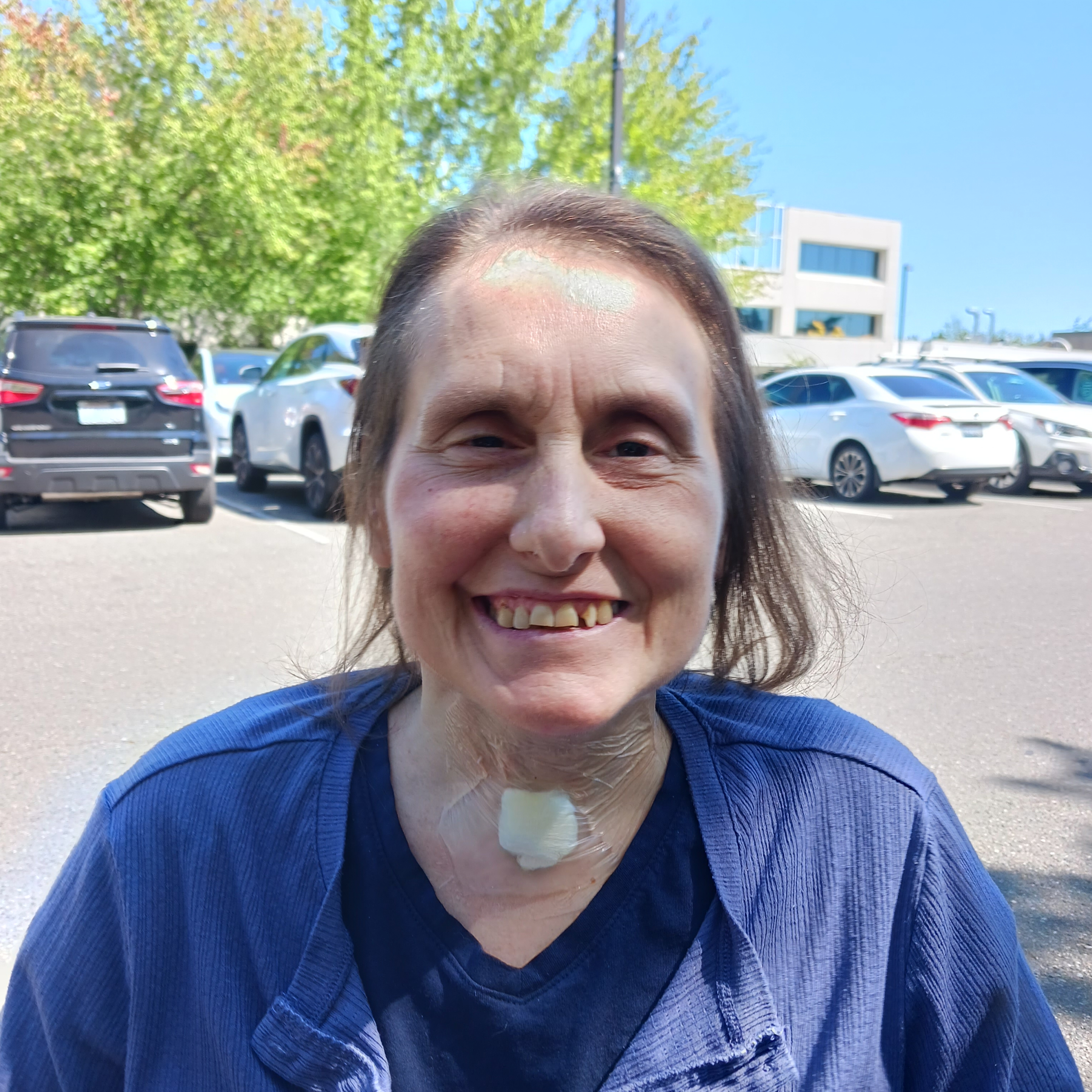
Cindy and Marcus’s journey shows that recovery and connection are possible — even after the hardest diagnoses. If you (or a loved one) are looking for ways to communicate after a stroke, click here to learn more about a free Lingraphica device trial.
You can follow along with Cindy and Marcus as they document their journey on their YouTube and Instagram accounts.