



Making (and keeping) New Year’s resolutions when living with a communication challenge
Published on Dec 17, 2019
Updated on Dec 23, 2025

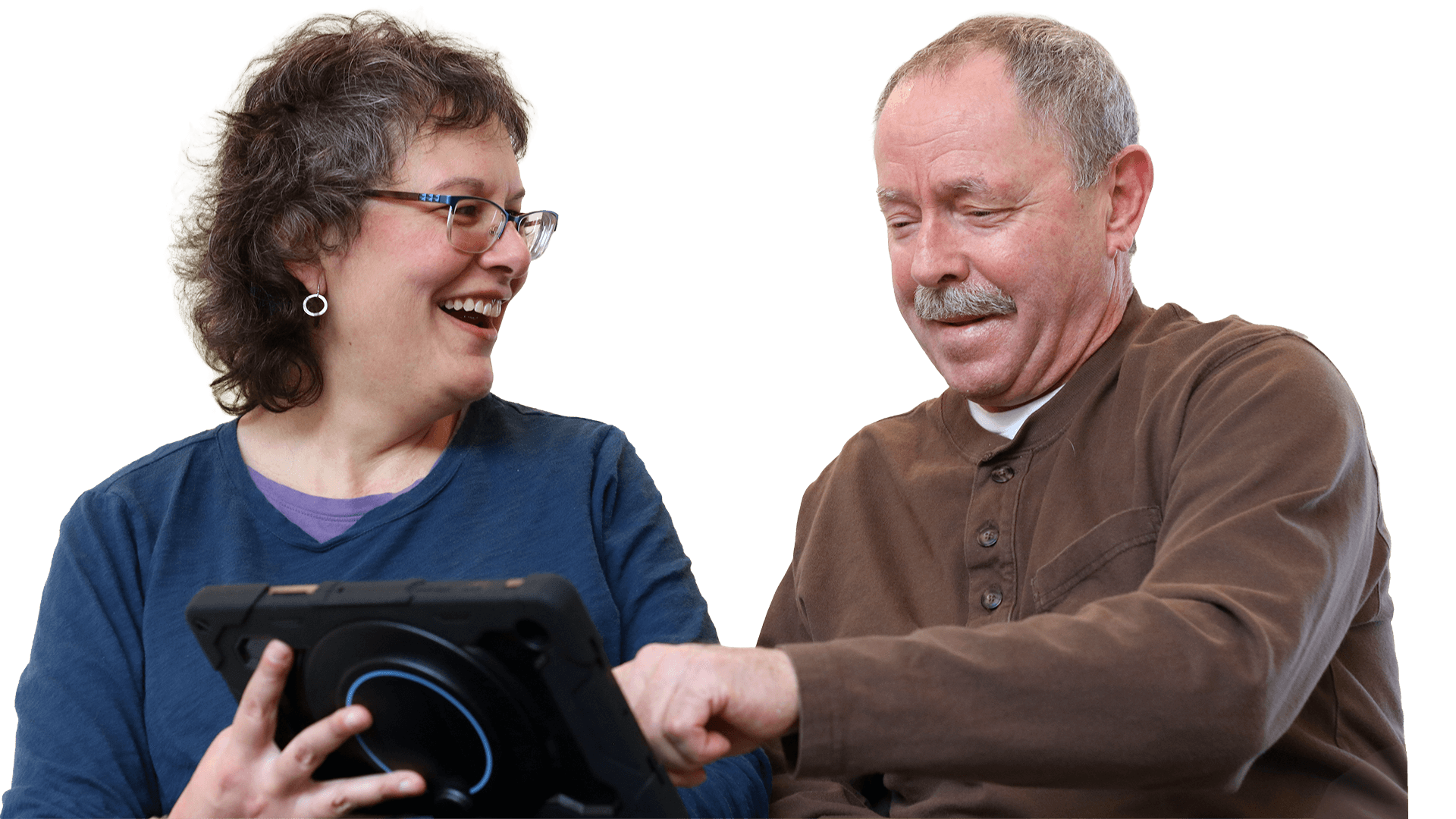
Living with a communication challenge can change many parts of daily life. It can affect how you talk with family, connect with friends, and take part in everyday activities. For many people, these changes are unexpected and can feel frustrating or isolating.
Communication challenges can look different from person to person. Some people live with aphasia, where language itself is affected. Others may have conditions such as Parkinson’s disease, where speech may become quieter, slower, or harder for others to understand. Still others may experience a mix of speech, language, or cognitive changes due to stroke, brain injury, or a progressive condition.
No matter the diagnosis, communication challenges can make it harder to express thoughts, needs, feelings, and personality. That is why the idea of New Year’s resolutions can feel complicated. Traditional resolutions often focus on big changes or quick results. When communication takes more effort, those expectations may not feel realistic or helpful.
The good news is that resolutions do not have to be big to be meaningful. Small, thoughtful goals can lead to real progress over time. When goals are focused on communication and daily participation, they can support confidence, connection, and quality of life throughout the year.
How to use this article
You do not need to read this all at once. You may want to focus on just one question today. You can return to the rest whenever you are ready.
The questions below are designed to help you create communication-focused resolutions that are realistic and motivating. These ideas are helpful for people living with aphasia and for people with other communication challenges. Care partners and family members may also find them useful when supporting a loved one.
1. What outcome do I want?
Many resolutions fail because they are too vague. Goals like “communicate better” or “talk more” do not clearly describe what success looks like. A more helpful place to start is by thinking about outcomes.
Ask yourself what you want to be able to do in your everyday life.
For someone living with aphasia or another communication challenge, meaningful outcomes might include:
- Taking part in conversations with family or friends
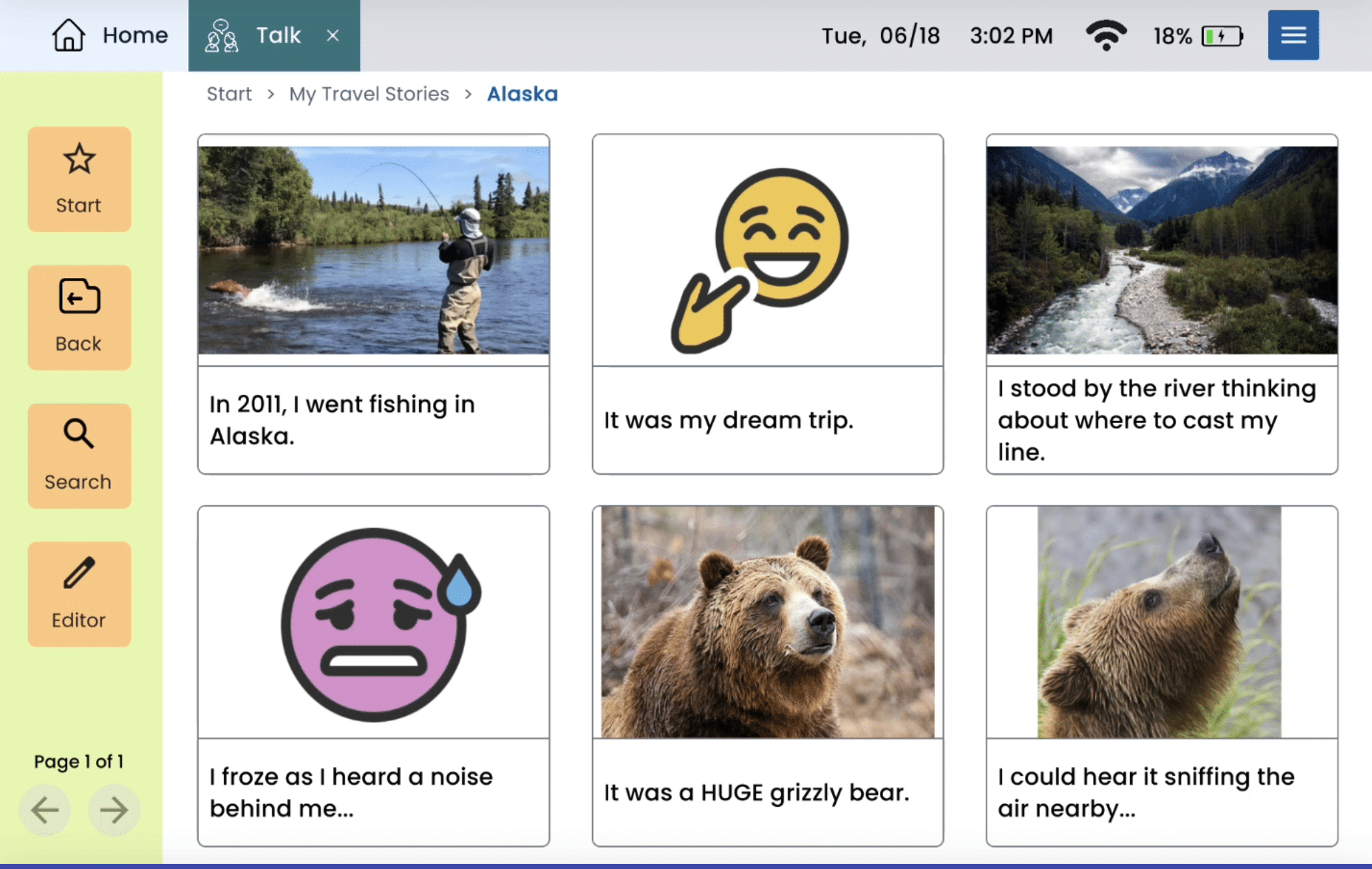
- Sharing opinions, stories, or jokes
- Ordering food or coffee independently
- Making phone calls or speaking with healthcare providers
- Feeling less anxious when communicating in public
These outcomes focus on participation, not perfection. They reflect real-life communication needs rather than idealized speech.
Focus on participation, not perfection.
When goals are tied to daily activities that matter to you, they are more likely to feel motivating and achievable.
It can also help to write your outcome down or talk it through with someone you trust. Naming the outcome makes it easier to plan the next steps.
2. What is the smallest step I can take?
Once you know the outcome you want, the next step is to make it manageable. Communication goals are easier to work toward when they are broken into small steps.
Small steps might look like:
- Practicing one word, phrase, or sentence each day
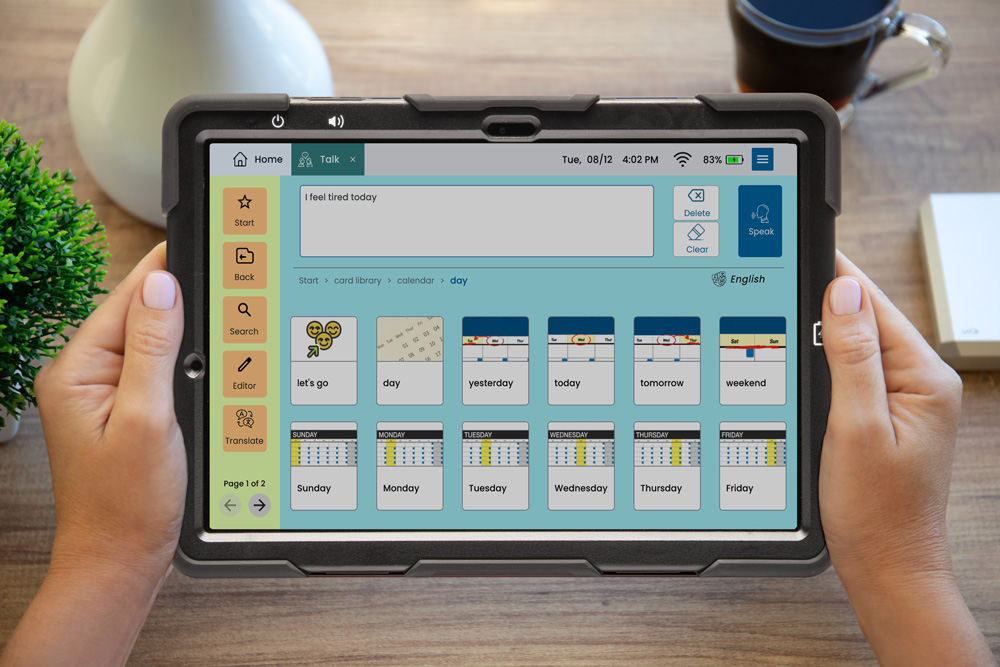
- Using a communication tool during one routine activity, such as meals or appointments
- Practicing speaking or using AAC for five to ten minutes a day
- Preparing key words or phrases ahead of social situations
When living with aphasia or Parkinson’s disease, progress often happens gradually. Some days communication may feel easier than others. That is normal.
Small steps, repeated over time, are enough.
Consistency matters more than speed. Even brief, regular practice can support long-term progress.
It is also important to give yourself permission to adjust your steps as needed. A goal that feels realistic at the start of the year may need to change as life changes. Adjusting a goal is not a failure. It is part of the process.
3. Who can help me reach this goal?
Communication is rarely something we do alone. This is especially true when communication is affected by a neurologic condition.
Support may come from:
- A spouse, partner, or family member
- A caregiver or communication partner
- A speech-language pathologist (SLP)
- A support group or community of people with similar experiences
Sharing your goals with someone else can make them feel more achievable. Supportive partners can help create opportunities to practice, offer encouragement, and reduce frustration when communication breaks down.
For people with aphasia, communication partners often play an important role in successful communication. The same is true for many people with Parkinson’s disease and other conditions.
Communication improves when it is shared.
When everyone involved understands the goal, progress often feels more manageable and less isolating.
If you work with an SLP, consider talking through your resolution together. An SLP can help you shape goals that are functional and meaningful, and suggest strategies or tools to support progress.
Two questions to ask before you commit
Before settling on a resolution, take a moment to check in with yourself.
Is this goal achievable?
A helpful goal should feel possible, even if it takes time. If a goal feels overwhelming, try making it smaller. Smaller goals are easier to stick with and often lead to better results.
Am I motivated to work toward this goal?
Motivation matters. Choose a goal that connects to something you care about, such as spending time with family or feeling more independent. Motivation helps you keep going when communication feels challenging.
Moving forward with patience and purpose
Living with aphasia or another communication challenge can be hard. It can affect relationships, routines, and confidence. At the same time, meaningful communication is still possible.
With the right support, tools, and expectations, people can continue to build communication skills and confidence over time. New Year’s resolutions can be one way to focus on what matters most to you.
You do not need to do everything at once. One small step can lead to another. Over time, those steps can add up to meaningful change.
A question to hold onto:
What is one small communication outcome that matters to you right now?
About Contributor
 Lingraphica Team
AAC Experts
Lingraphica Team
AAC Experts
Lingraphica helps people with speech and language impairments improve their communication, speech, and quality of life. Try a Lingraphica AAC device for free.
Contributors
Lingraphica Team
AAC Experts
Categories
Subscribe to newsletter
Share