




5 Strategies for Incorporating AAC Into Your Practice
Published on Aug 14, 2019

Adding AAC to an already full caseload can feel overwhelming. But SLPs who use it regularly often find the opposite is true — AAC can streamline sessions, improve outcomes, and keep clients more engaged. This article shares five practical strategies for making AAC work harder for you and your clients.
The expectations of speech-language pathologists (SLPs) and clinicians today are higher than they’ve ever been before. With new challenges like increased productivity expectations, additional documentation, plus the ongoing challenges of dealing with authorizations and scheduling, SLPs often wonder how to add high-tech augmentative and alternative communication (AAC) to their to-do list.
But AAC doesn’t have to be just another “to-do” list item. In fact, AAC can be used to facilitate productivity, outcomes, and client satisfaction.
Here are some tried-and-true strategies from SLPs who use AAC in their practices on a regular basis:
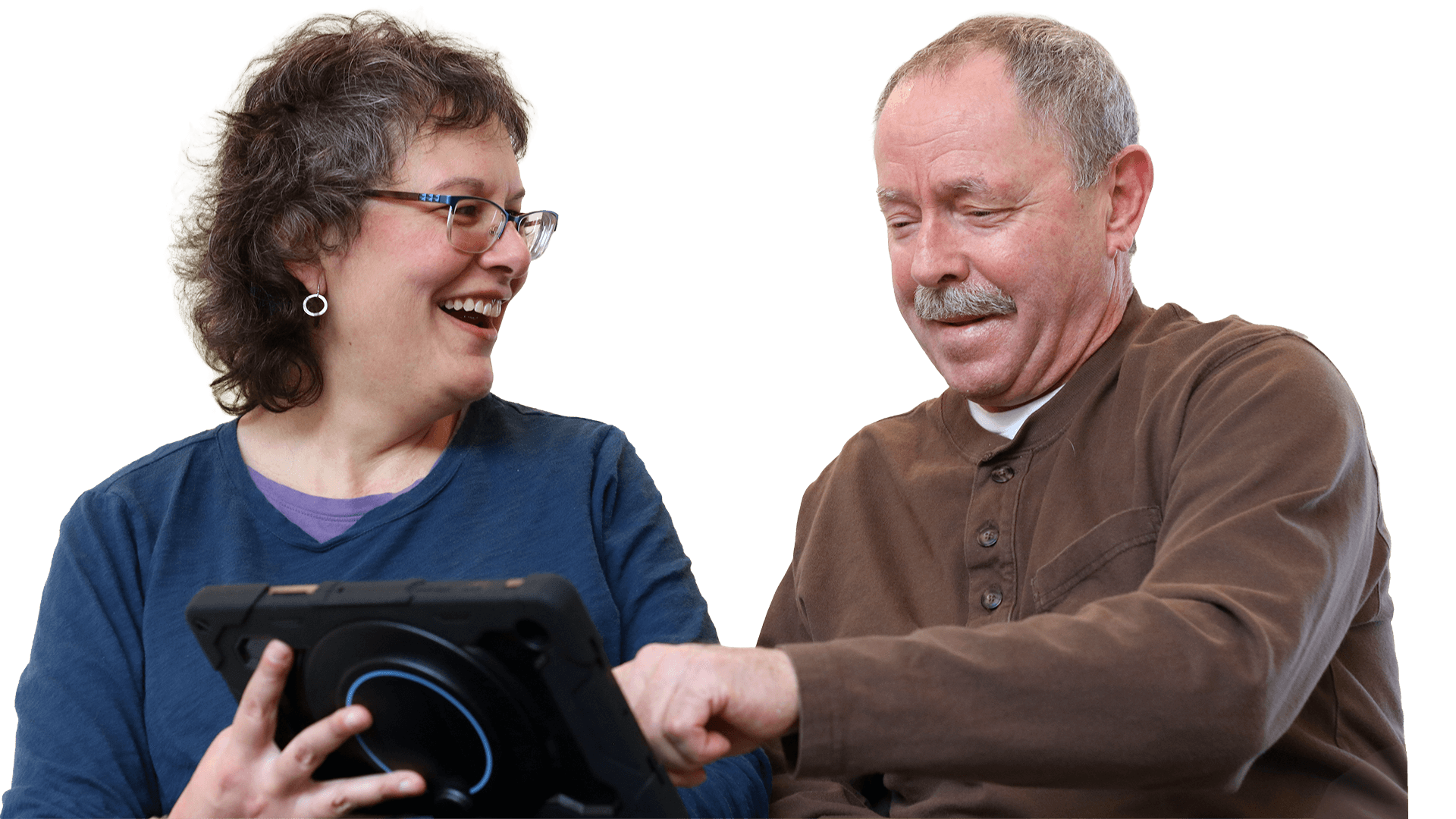
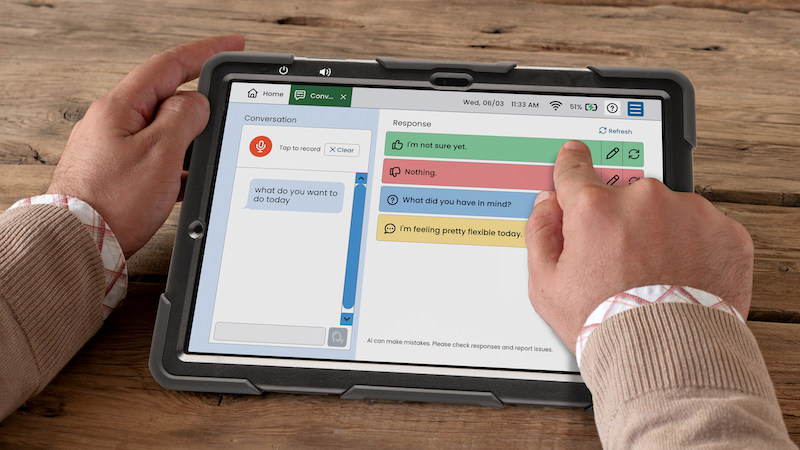
- Connect: Use the AAC device as your way to connect with your client. Share information about yourself and find things that you have in common. With a Lingraphica device, you have 9,000+ different phrases and images pre-programmed and ready to use. This expansive vocabulary provides different topic areas you can use with your client. Find the things that you have in common with your client — like favorite desserts or sports teams — and use this as a building block for activities that matter to them.
- Facilitate: Use the AAC device to facilitate independent practice. For example, you can use the Therapy tool to encourage practice with a variety of cognitive, language, and speech home exercises. You can even make a folder of the specific exercises you want your client to do in and out of therapy. You can also make your own video icons so clients can practice imitating their names, addresses, and phone numbers. By focusing on the things that are personally relevant to your client, you’ll have better outcomes and higher client satisfaction.
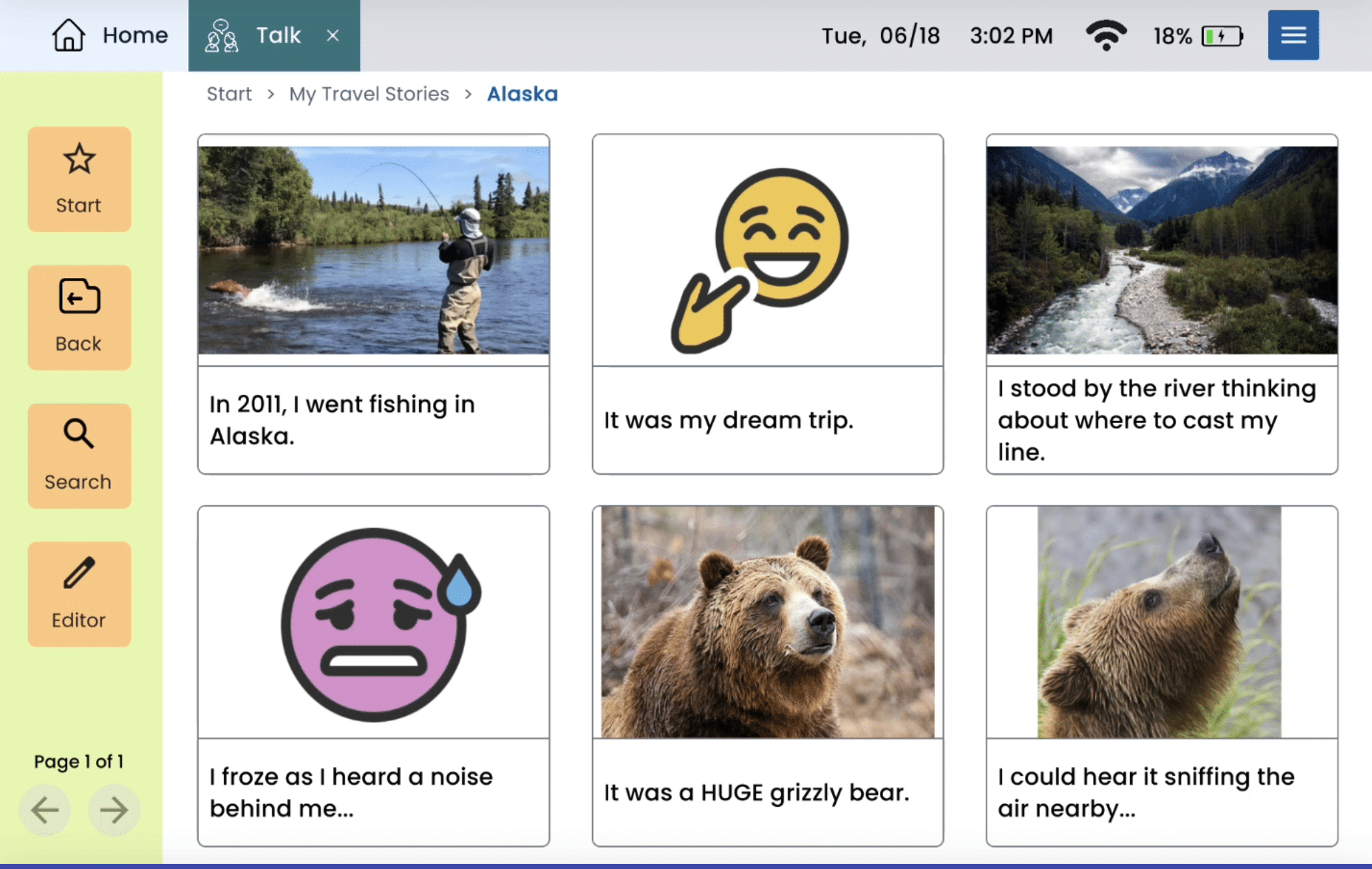
- Motivate: Use AAC to motivate and encourage your client. For example, create a folder that reminds your client of all the progress they’ve made. A good example would be, “I walked 25 steps in therapy on April 10” or “I’m hoping to go home on May 5.” Not only are icons like this reinforcing to your client, but they also provide opportunities to start a dialogue with others.
- Practice: Use the AAC device to work on activities your client cares about or needs to do frequently. For example, share your speech-generating device (SGD) evaluation with your client. Ask for your client’s input on their therapy goals, and answer their questions with support from the AAC device. You may tailor your questions to your client’s strengths: ask yes/no questions, multiple choice, or open-ended questions. Model with the AAC device and use it to confirm their understanding. This is good practice for future visits with other health care providers.
- Demonstrate: Use the device to showcase the medical necessity of AAC. For example: help your patient create folders for their diagnoses, frequent physical complaints, past medical history, and their medications on the device. You can even use part of your sessions to help your client communicate about these things. Document the potential risks associated with their communication impairment, and how your treatment and use of the SGD reduces these risks.
Using high-tech AAC not only facilitates communication early in your client’s rehabilitation journey — it also provides an avenue for you to provide personally relevant, contextual, and skilled interventions that lead to improved outcomes.
About Contributor
 Lingraphica Team
AAC Experts
Lingraphica Team
AAC Experts
Lingraphica helps people with speech and language impairments improve their communication, speech, and quality of life. Try a Lingraphica AAC device for free.
Contributors
Lingraphica Team
AAC Experts
Categories
Subscribe to newsletter
Share