




Caregiver burnout and communication disorders: Signs, stressors, and support
Published on Jan 21, 2026

If you’re caring for someone with a communication disorder, you might notice something that’s hard to describe but impossible to ignore.
Maybe conversations leave you more tired than usual. Or maybe you feel frustrated when communication breaks down and want to step away (then feel guilty about feeling that way).
What you’re experiencing has a name: caregiver burnout.
And when communication challenges are part of the picture, that emotional and physical exhaustion can feel especially intense.
You’re not alone in feeling this way. And more importantly, you’re not failing as a caregiver.
Let’s explore what caregiver burnout looks like with communication disorders in the mix, why it happens, and what support is available.
What is caregiver burnout?
Caregiver burnout is a state of emotional, physical, and mental exhaustion that develops gradually as the demands of caregiving build up over time. It’s not the result of one particularly challenging experience or a moment of feeling overwhelmed (that’s called compassion fatigue). Instead, it slowly grows over time, until suddenly even routine tasks feel heavy.
Think of it like this: Caregiving is like slowly adding water to a sponge. At first, it absorbs everything without trouble. You keep adding calls, appointments, conversations, stress, and it still holds. But over time, the sponge reaches capacity. One more drop, and it starts to drip. You didn’t notice it happening at first, but now everything feels heavier, and even small things start to spill over.
Why communication disorders can amplify burnout
When you care for someone with a communication disorder like aphasia, dysarthria, or apraxia (due to a stroke, TBI, or other medical condition), you face challenges that can intensify stress in unique ways:
Constant mental translation
You often become your loved one’s interpreter — constantly listening, processing, and helping translate their thoughts into words others can understand. This mental work happens all day long, even during seemingly simple conversations.
Repetition and repairing communication breakdowns
Communication breakdowns happen frequently, and each one requires patience, creativity, and emotional energy to fix. You may find yourself rephrasing the same idea multiple times, or helping your loved one through the same word‑finding challenge more than once in a conversation.
Advocacy in every setting
From doctor appointments to grocery store interactions, you become the point person for communication. While others can relax, you’re constantly “on,” watching for misunderstandings and preparing for questions. That vigilance can be exhausting.
Emotional labor in every exchange
Every conversation carries emotional weight. On top of exchanging information, you’re managing frustration (yours and theirs), celebrating small victories, and trying to keep hope alive through difficult moments. That emotional work is invisible but deeply draining.
How caregiver burnout shows up
Caregiver burnout related to communication disorders may look different from general caregiving fatigue. Here are common signs to watch for:
During conversations
- Feeling impatient when communication takes longer than expected
- Finishing sentences for your loved one before they want help
- Avoiding certain topics because they’re hard to navigate together
- Feeling responsible for every communication success or failure
In social situations
- Turning down invitations because group conversations feel too complicated
- Speaking for your loved one without checking if they want you to
- Feeling anxious about how others will react to communication differences
- Isolating yourselves from friends and family activities
Emotional and physical signals
- Guilt after communication breakdowns, as if it’s your fault
- Physical exhaustion after particularly communication‑intensive days
- Resentment about being the “communication person” for everything
- Loss of patience with repetition or communication attempts
Impact on daily life
- Dreading phone calls, appointments, or outings that require support
- Feeling like you’re the only one who can handle communication needs
- Avoiding activities you once enjoyed because they involve too much talking
- Overwhelming responsibility that feels impossible to share
Why caregiver support matters
When caregivers experience burnout, it affects everyone involved. Communication feels more stressful, relationships feel strained, and the connection you’re trying so hard to nurture can suffer.
If there’s anything we want the world to know, it’s this: seeking support doesn’t mean you’re weak or failing. It means you’re recognizing the full scope of what you’re carrying and taking steps to make this journey more sustainable.
Caregiver support is for helping you breathe, balancing your role, and maintaining connection with the person you care for. There’s no shame in that.
Support specifically for communication challenges
The good news is that support does exist, especially for the unique challenges of communication caregiving!
Professional resources and strategies
Speech‑language pathologists understand the emotional toll communication disorders can take on families. They can provide practical strategies to make daily communication less exhausting and more effective.
Communication tools and support
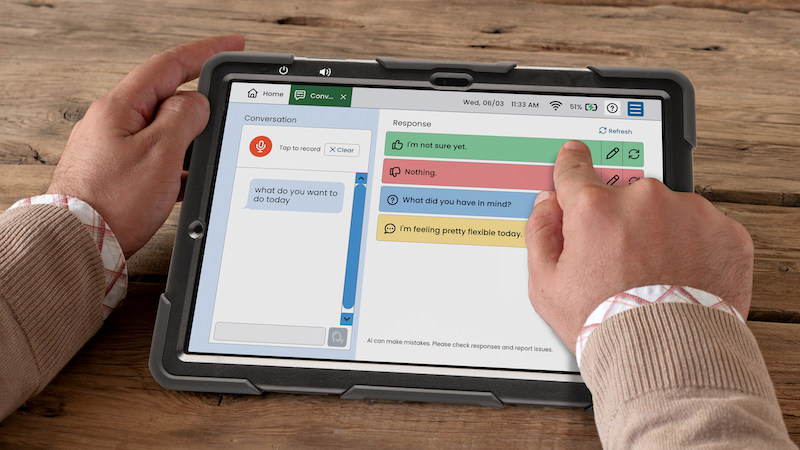
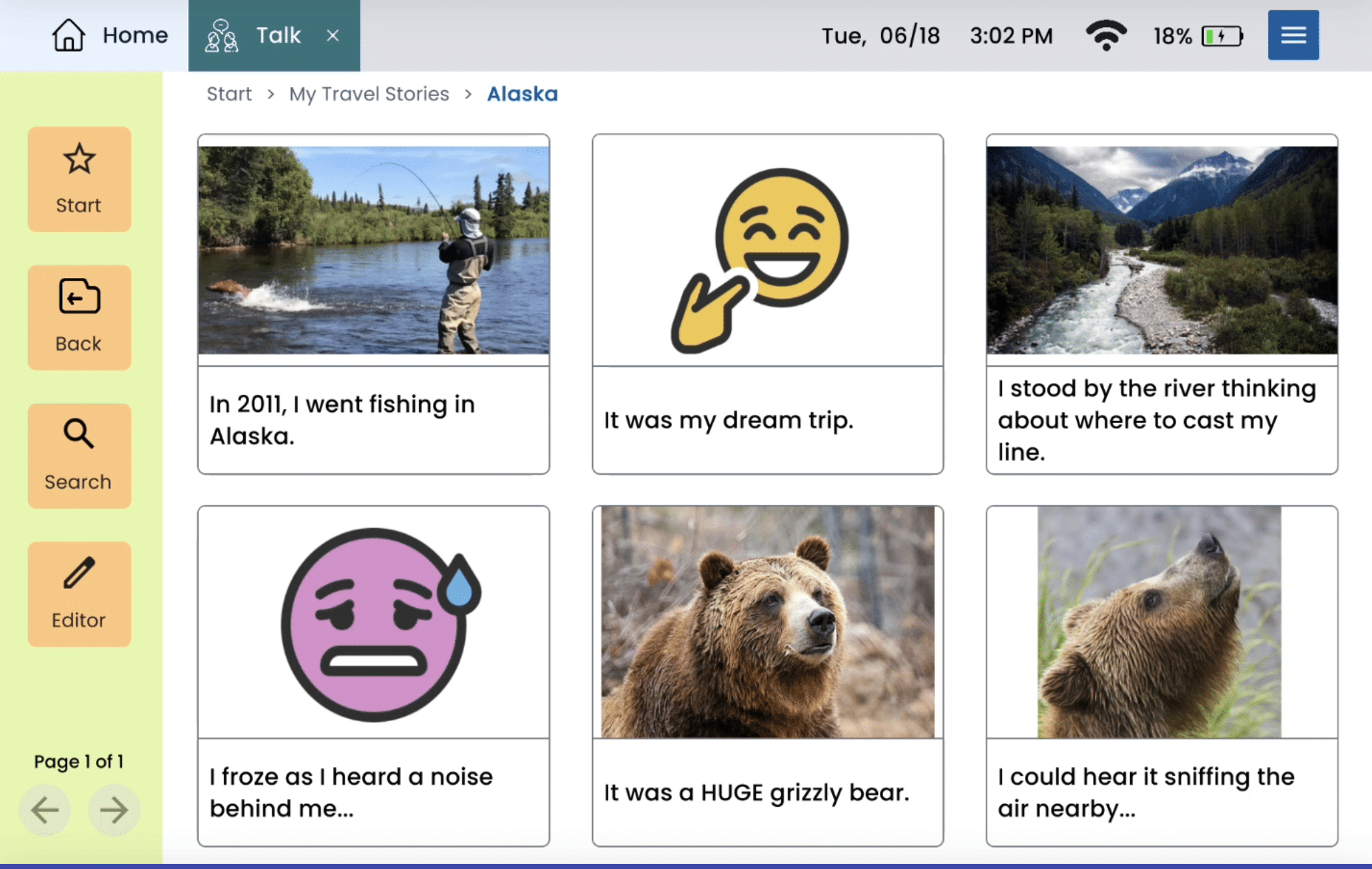
The right communication tools and support, like augmentative and alternative communication (AAC) devices or simple communication strategies, can reduce the daily pressure you feel. These tools don’t replace closeness or connection; they give both of you new ways to connect successfully, especially in moments that feel frustrating or tiring.
Building your communication team
You don’t have to be the only person supporting your loved one’s communication needs. Building a team approach, including family, friends, therapists, and support groups, can share responsibility and lighten your load.
If you’re not sure where to start (we get it, this feels like an overwhelming task!), check out this free webinar.
General caregiver resources
For broader caregiver support and burnout‑specific resources, organizations like the Caregiver Action Network offer connections, educational tools, and community connections with others who understand what you’re experiencing.
Moving forward with support
Caregiver mental health matters just as much as the communication goals you’re working toward with your loved one. Taking care of yourself isn’t selfish — we promise. It’s essential for maintaining the kind of supportive, patient communication environment that helps everyone thrive.
Experiencing caregiver burnout doesn’t mean you’re not a good caregiver. It means you’re human, and you’re doing incredibly meaningful work. Recognizing these feelings is the first step toward finding support that can help you navigate this journey with more balance and less strain.
Whether the support comes through professional guidance, communication tools, community connections, or simply acknowledging that this is genuinely hard, you deserve resources that honor both your efforts and your well‑being.
Remember: you’re helping someone communicate and you’re sustaining connection, dignity, and hope. That’s important work, and you deserve support that reflects that.
About Contributor
 Lauren Hermann, MS, CCC-SLP
Guest Contributor
Lauren Hermann, MS, CCC-SLP
Guest Contributor
 Lingraphica Team
AAC Experts
Lingraphica Team
AAC Experts
Lingraphica helps people with speech and language impairments improve their communication, speech, and quality of life. Try a Lingraphica AAC device for free.
Contributors
Lauren Hermann, MS, CCC-SLP
Guest Contributor
Lingraphica Team
AAC Experts
Categories
Subscribe to newsletter
Share