


Identifying device candidates
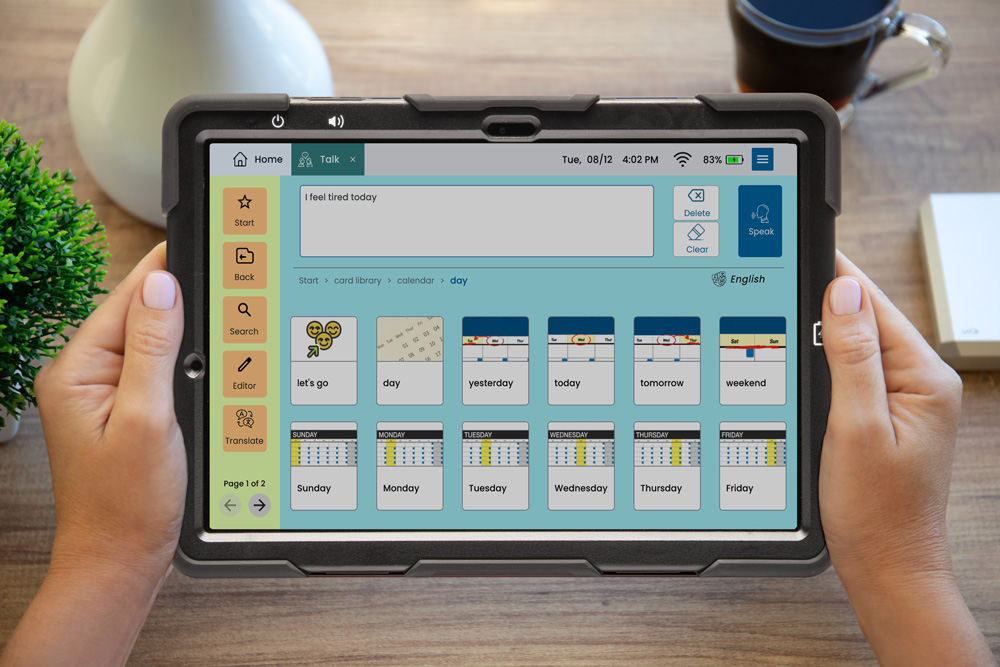
One of the most frequently asked questions among SLPs who are new to high-tech AAC is, “Who is a good candidate for a Lingraphica AAC device?”
There are no specific prerequisite skills to begin using AAC.
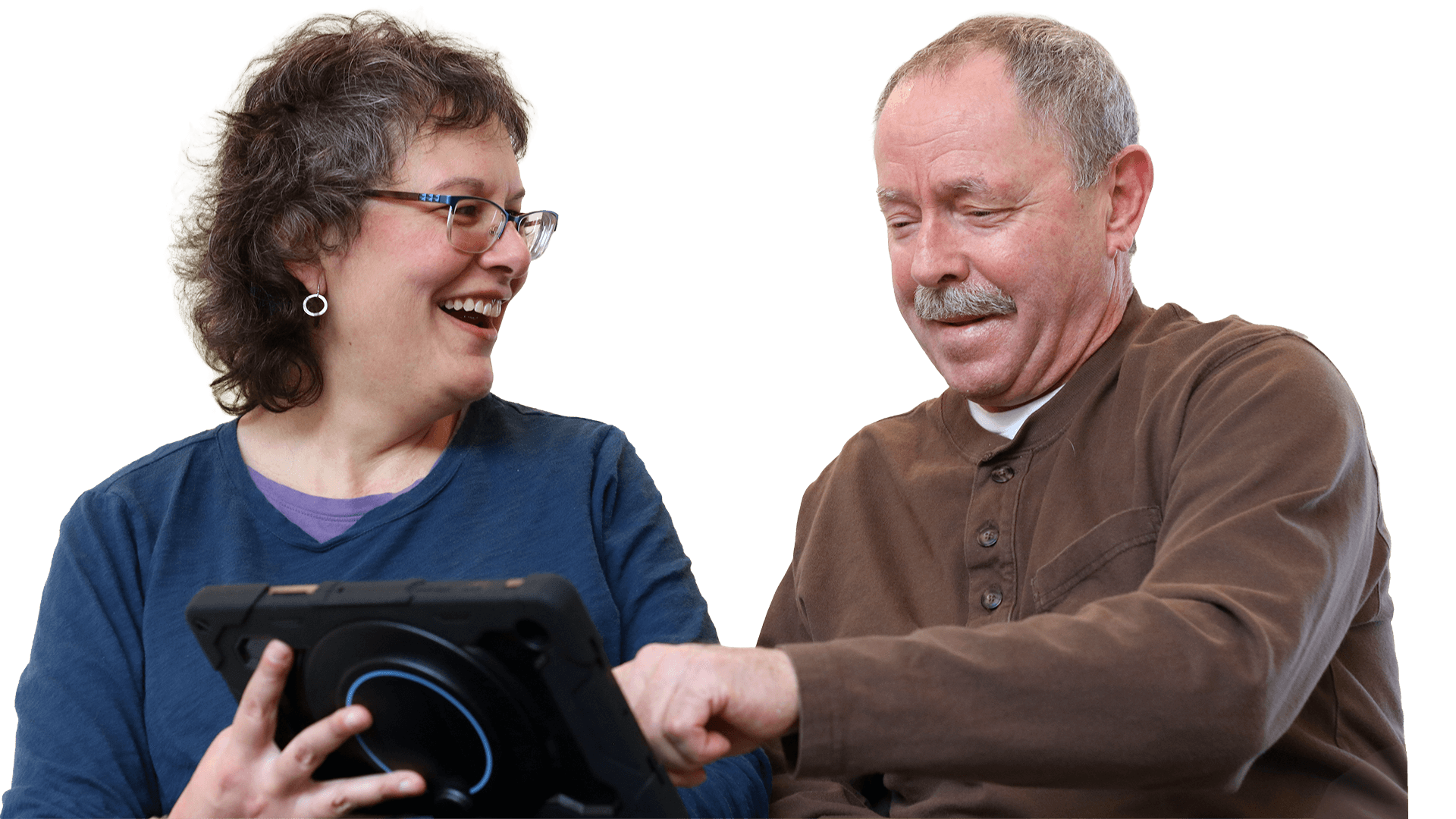
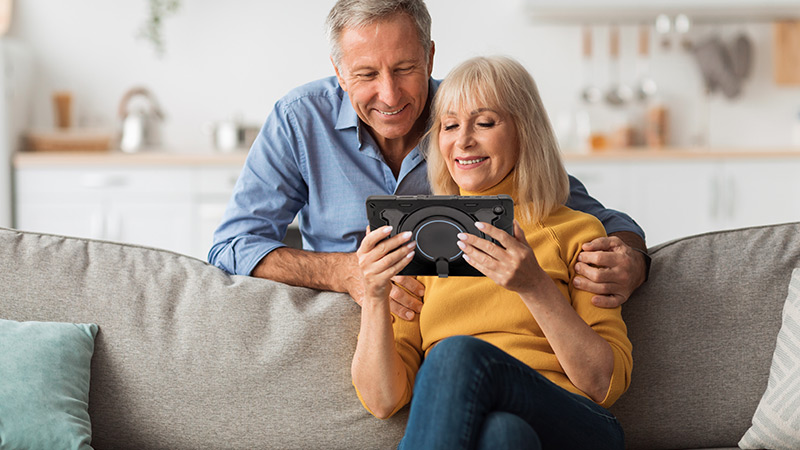
At Lingraphica, we believe that each individual with communication challenges deserves the opportunity to explore and benefit from Augmentative and Alternative Communication. While everyone’s journey is unique, AAC tools can often support meaningful communication and connection, regardless of age or diagnosis.
There are no specific prerequisite skills to begin using AAC.
At Lingraphica, we believe that each individual with communication challenges deserves the opportunity to explore and benefit from Augmentative and Alternative Communication. While everyone’s journey is unique, AAC tools can often support meaningful communication and connection, regardless of age or diagnosis.
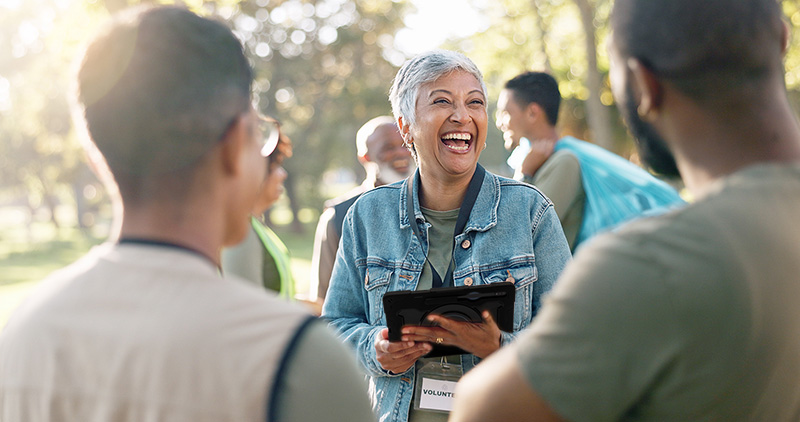
“Lingraphica has very responsive, friendly, and knowledgeable contact staff. Ease of getting started made a big difference. Everyone was very supportive of myself as the clinician as well as the family.”
– SLP reflecting on Lingraphica trial experience
Common traits of successful users
While there are no requirements to try AAC, individuals who find success with Lingraphica devices often share these traits:
- A desire for improved communication: Motivated to express themselves and connect with others.
- Supportive family or communication partners: Loved ones or caregivers who encourage and assist in device use.
- Willingness to try new tools: Openness to learning new ways to enhance communication.
Clinical considerations for AAC
Successful AAC device users often have:
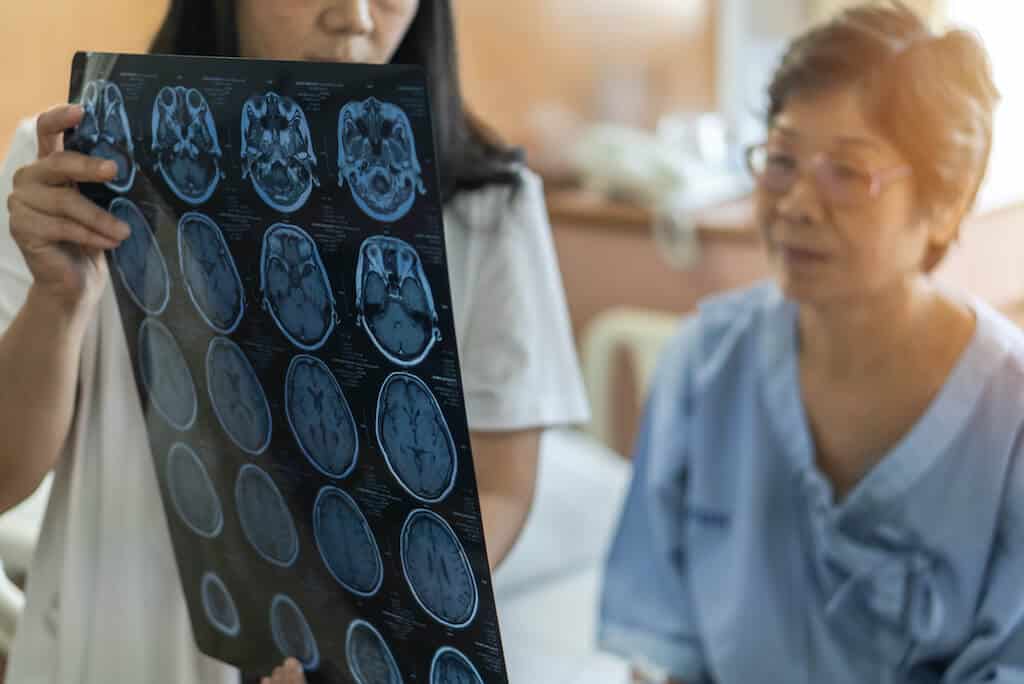
- Moderate to severe communication impairment: Many Lingraphica device users will have a mod-severe or severe expressive speech/language impairment, or a moderate impairment with a degenerative condition (e.g., PPA).
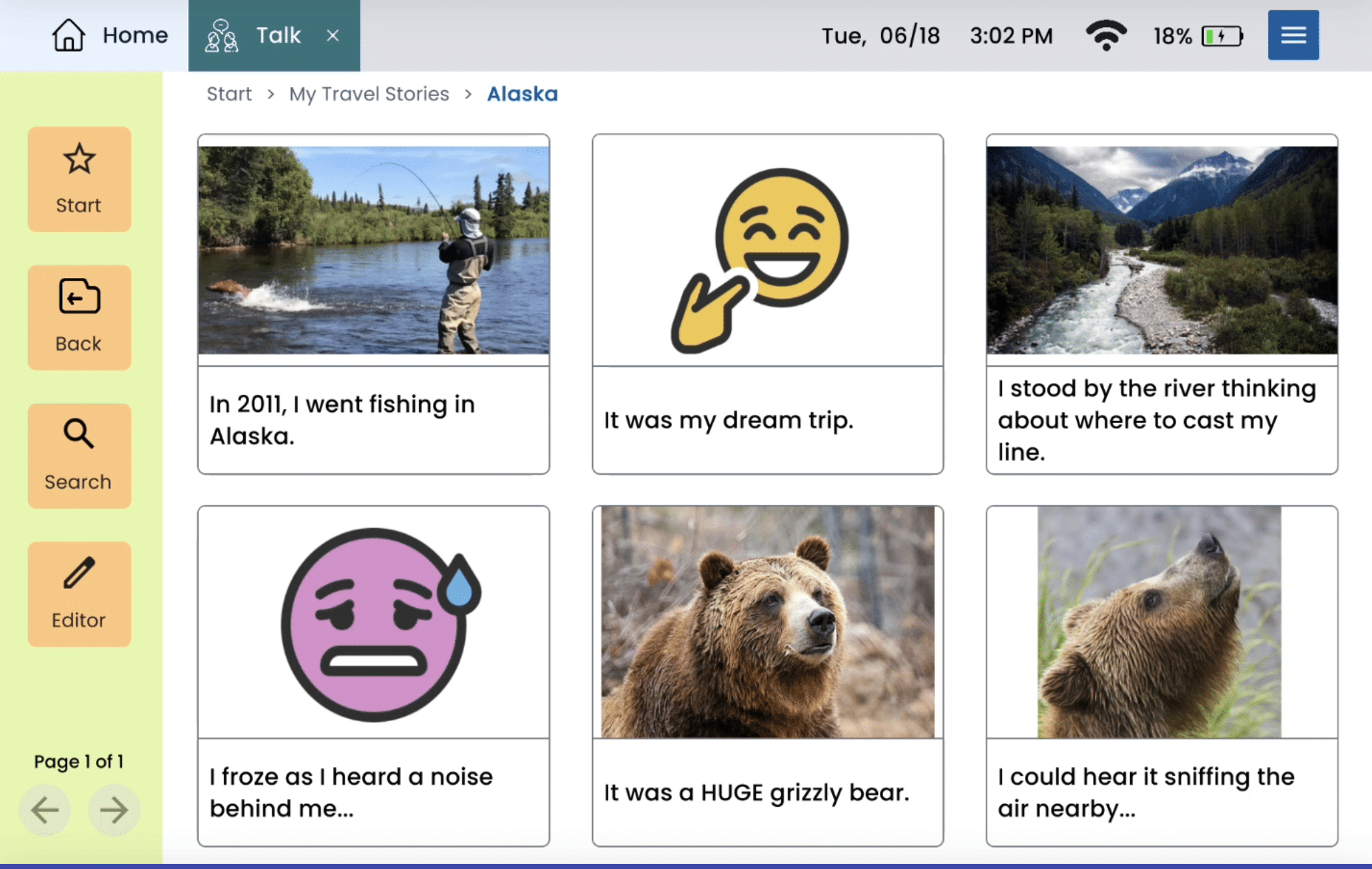
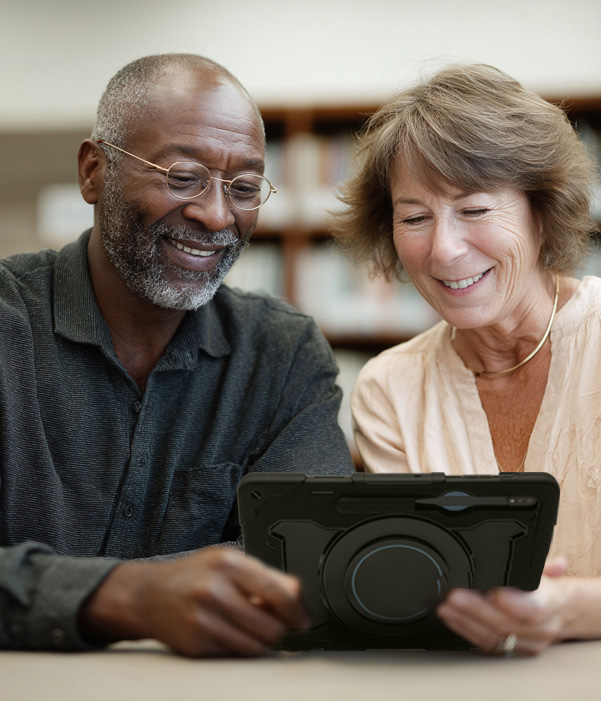
- Physical access: Users must be able to physically interact with the device through touch, a stylus, or adaptive accessories.

Conditions We Serve
We support a wide range of communication challenges with tailored device features and expert support.


The role of motivation and support
- Supportive relationships: Communication partners can help bridge the gap between what the user wants to do and what they may need help achieving. Successful device users often have a support system to help with setup, motivation, and ongoing use of the device.
- Intrinsic motivation: A desire to enhance communication and increase life participation often leads to consistent and effective device use.